
Gdansk in Autumn — Golden Days by the Baltic Sea
Gdansk in autumn: empty beaches, golden Park Oliwski, museums without queues, and views from Olivia Star. Why it’s the best value for money all year.
Gdansk in autumn is something different — a city you can truly contemplate, not just tick off a list. It’s a season worth considering not as a compromise with the weather, but as a conscious choice. September can be surprisingly warm and still full of light, October brings colors worth planning an entire weekend around, and November — despite shorter days — has its own intimate charm, especially evenings along Long Embankment.
Empty Beaches, a Different Baltic
September and October are the moments when beaches in Brzeźno and Stogi become almost empty, and the sea—gray, choppy, much harsher than in July—takes on its character. A walk along the promenade with cool wind and low sun is an experience that stays in memory differently than lounging on a sunbed during peak season. Swimming at this time is out of the question for most people, but walking, running, and cycling are still very much possible—and without the crowds you have to deal with in summer.
The entire bike path from Letnica through Brzeźno all the way to Sopot, crowded in summer, turns into a private lane in autumn. It’s worth bringing something warm—wind off the Bay of Gdańsk after sunset becomes biting much faster than the daytime thermometer suggests.
Park Oliwski in Gold
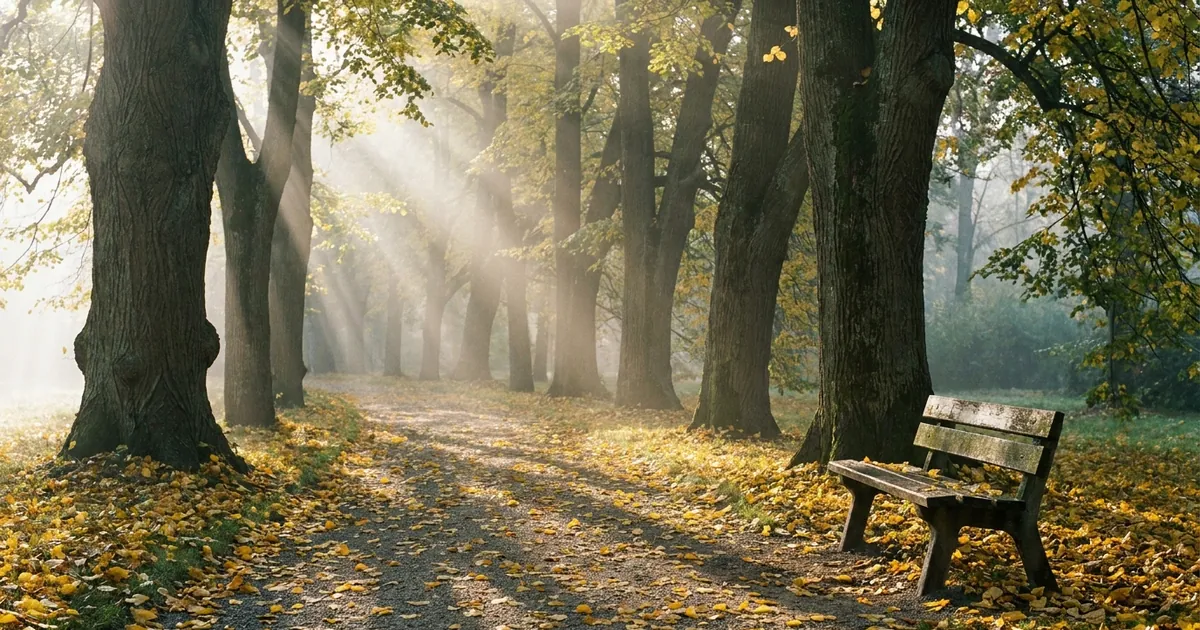
Autumn is the best time of year to visit Park Oliwski — a spacious park near Oliwa Cathedral and the Bishop’s Palace, featuring an old-growth forest that turns into a full palette of yellows and reds in October. It’s designed for unhurried strolls—tree-lined paths, ponds, and small bridges—and in autumn, when the light is lower and warmer, it makes a special impression. Consider pairing your visit with Oliwa Cathedral, famous for its organs—organ concerts take place mainly in summer, but the cathedral itself is open to visitors year-round.
Both Wrzeszcz and Oliwa gain extra charm in autumn—less street traffic, more space for relaxed walks between cafés and the park, something harder to experience in summer when the city center is packed with tourists.
Museums without queues
This is one of the strongest arguments for a fall trip. The Museum of the Second World War, European Solidarity Centre, and Amber Museum are open year-round, but in summer they mean queues lasting forty to fifty minutes. In autumn, you can enter almost immediately, and the exhibitions—especially the Museum of the Second World War, which require focus and time—are much more effective when you don’t have to push through tourist groups.
It’s also the season to plan a full-day museum visit on rainy days, rather than squeezing them in between the beach and a walk as is usually done in summer. In autumn, the weather itself suggests when to stay indoors and when to go for a stroll—and this natural rhythm makes your stay feel less forced than during the peak of summer heat, when every day “must” be spent at the beach.
Main Town and Granary Island without the crowds
In autumn, the Main Town reveals a completely different side than in July. Długi Targ, the Crane (Żuraw), and the promenade along the Motława river—these same spots that are packed with people taking photos in summer—offer space for a peaceful stroll and a genuine look at the architecture, rather than just serving as a passage between tourist groups. Granary Island, on the other side of the Motława river, with its modern buildings integrated into the historic warehouse layout, is especially pleasant at dusk in autumn when the lights reflect in the water.
View from Olivia Star
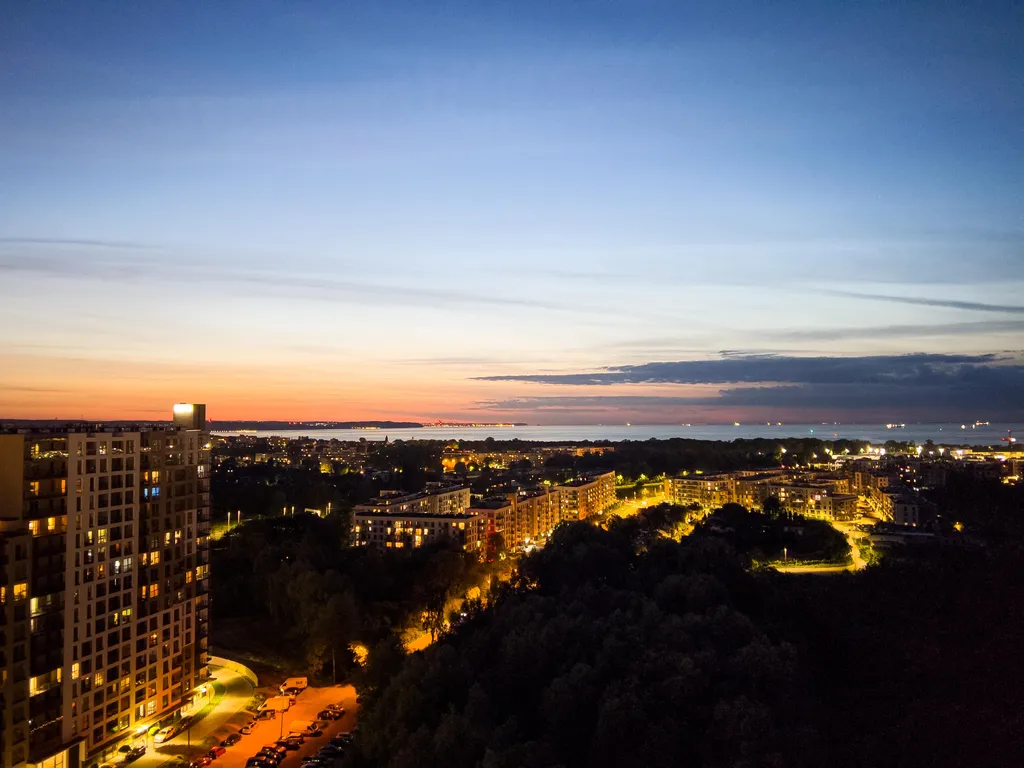
The Olivia Star viewpoint, located at the top of one of the towers in the Olivia Business Centre complex in Wrzeszcz, offers a panoramic view of the entire Tricity — from the port, through the Main Town, to the Bay of Gdańsk and Sopot in the distance. It’s open year-round, but in autumn, with lower sun angles and clearer air, visibility is often better than during summer haze, and the queue for entry tends to be noticeably shorter.
The best time to visit is one hour before sunset — when the light is at its golden peak — and after dark, a second phase of the view emerges: the city illuminated from above, worth seeing regardless of season. In autumn, with dusk falling earlier, it’s easier to plan without waiting until late evening.
Coffee Shops Without the Crowds
In autumn, cafes on Mariackiej, around Targ Węglowy, and in Wrzeszcz stop being places where you search for an empty table after three attempts. This is the season when you can sit with a book for longer, without pressure that someone is waiting for your spot. Some seasonal spots along the promenade in Brzeźno close only at the end of October, so early autumn is still a good time for coffee with a view of the sea.
If you’re looking for a place to spend a long afternoon with a laptop or a book, cafes in Wrzeszcz and around Gdańsk University of Technology have a completely different rhythm in autumn than during summer—more regulars, less tourist traffic, and a quieter atmosphere perfect for remote work or simply relaxing.
Warm Bath in the Cold Sea
In autumn, another way to connect with the Baltic Sea is gaining popularity—seaside saunas, offering a short, intense heat session right by the beach, often followed by a bolder plunge into the now-cold sea. This trend is growing season after season in Gdańsk and its surroundings and deserves a dedicated, detailed guide—we’ve covered it in a special guide → Saunas by the Sea and Sea Swimming in Gdańsk.
Autumn vs Winter — Which to Choose
If you’re looking for even lower prices and fewer tourists, and shorter days don’t bother you, winter wins—read more about it in → Gdansk in Winter — Why Visit Outside the Season. But autumn has one advantage winter doesn’t: longer days, warmer air for strolling, and colors you simply won’t see in winter.
Practically speaking, September is closer to summer than winter—warm, with gardens still open—while November already starts leaning into the city’s wintry character with the Christmas Market. October sits right in between: autumn colors, mild temperatures, seasonal cafes still open, but without the crowds.
What to Pack for an Autumn Trip
Layered clothing works better in autumn than a single thick jacket—mornings can be chilly, afternoons sunny and warm, and evenings require an extra layer again. Waterproof shoes are more useful here than in summer—the cobbled streets of the Main Town become slippery after rain, and walking through Oliwa Park after showers means damp paths. An umbrella or raincoat is essential, but you rarely need them all day—autumn rains in Gdansk are usually brief.
Why this is the best value for money experience
Apartment prices in autumn (outside of any event periods) are clearly lower than in summer, while the city offers the same attractions as in summer—museums, restaurants, DOKI, Montownia—just without queues and crowds. It’s a combination you won’t get in summer (expensive and crowded) or deep winter (cheap but short days and many seasonal attractions closed). This is the Gdańsk you won’t see in any summer promotional material—a quieter, cheaper, and for many visitors, simply more authentic version. For more ideas on what to see regardless of season, check → Best Attractions in Gdansk.
An autumn stay in Gdansk is one of the best travel decisions you can make. Check apartment availability or contact our concierge—we’ll help you choose a location based on what you want to do.
Frequently asked questions
- Is it still warm in Gdansk during autumn?
- September can be surprisingly warm, with temperatures reaching 20°C and above. October and November are cooler (around 8-14°C during the day), but still comfortable for walks if you dress in layers. Rain is more frequent than in summer, but it rarely rains continuously all day.
- Is it worth visiting Gdansk in autumn instead of summer?
- If your priority is crowds and water temperature for swimming—no, then choose summer. If you value peace, lower prices, museums without queues, and a city that looks different from postcards—autumn offers the best price-to-quality experience of the year.
- What to do in Gdansk when it rains in autumn?
- Museums — ECS, the Museum of the Second World War, and the Amber Museum — are open year-round and particularly quiet in autumn. Montownia at DOKI is a great option for a longer lunch indoors. Cafes on Mariacka Street and around Targ Węglowy often have free tables even on weekends during autumn.
- Is Olivia Star open in autumn?
- Yes, the Olivia Star observation deck at the top of the Olivia Star skyscraper in Wrzeszcz operates year-round. In autumn, with good visibility and lower sun angles, views of the city and Bay of Gdańsk are often clearer than in summer’s hazy air—and lines are definitely shorter.
Help me book an apartment
The AI concierge matches an apartment to your plans — dates, party size, district. Replies in seconds.
Apartments that fit this stay
Apartament z widokiem na ogród
- 1 bedroom
- 2 beds
- 4 guests
- 46 m²
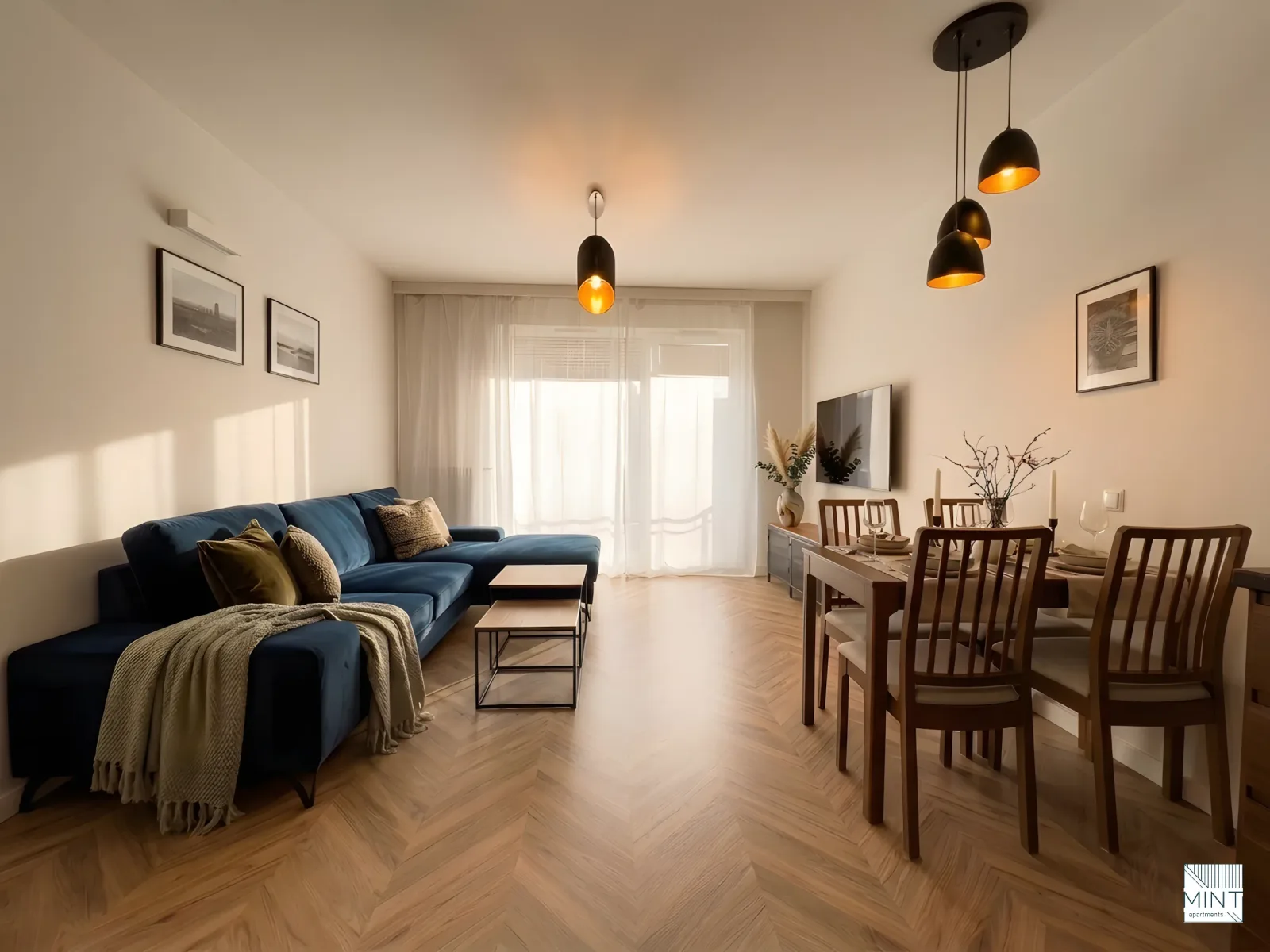
A cosy apartment with garden views on the 3rd or 4th floor of the Bastion Wałowa complex on Wałowa Street — 46 m², bedroom with a king-size bed, balcony, fully equipped kitchen, fast Wi-Fi and Smart TV. 5 minutes' walk to the Old Town, 7 minutes to Długi Targ. Internal quiet — garden view instead of street noise. One of Mint's most peaceful addresses in Gdańsk's historic centre. Underground garage and lift in the building.
Apartament DOKI z dwiema sypialniami przy foodhall
- 2 bedrooms
- 3 beds
- 6 guests
- 62 m²
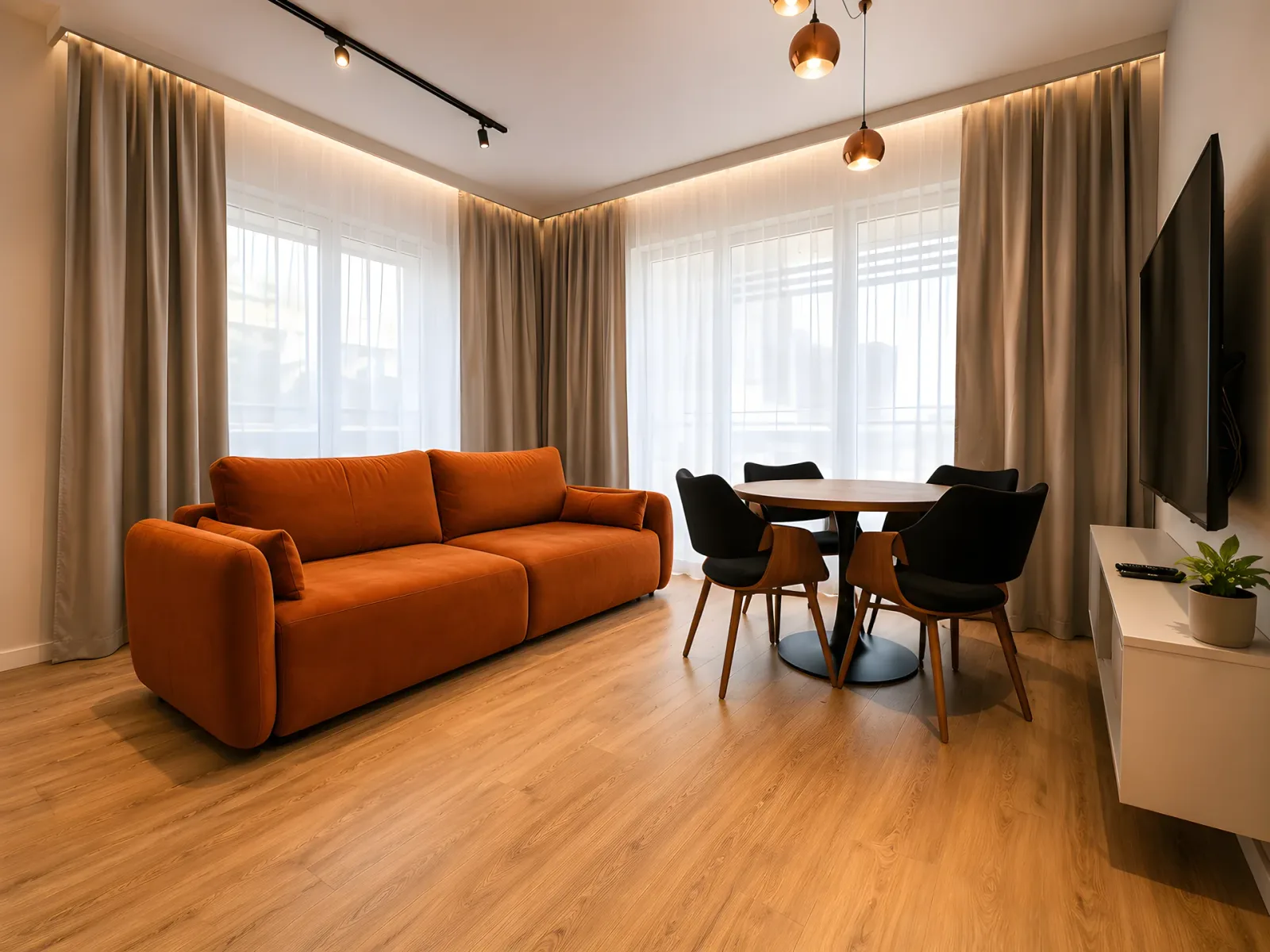
A two-bedroom apartment in the DOKI complex — 62 m², balcony with courtyard views, underground garage. Master bedroom with king-size bed, second bedroom with two beds, two bathrooms, fully equipped kitchen. For 2–6 guests. Montownia food hall 50 metres from the entrance, ECS 10 minutes on foot, tram to the Old Town 15 minutes. The dinner question answers itself here.
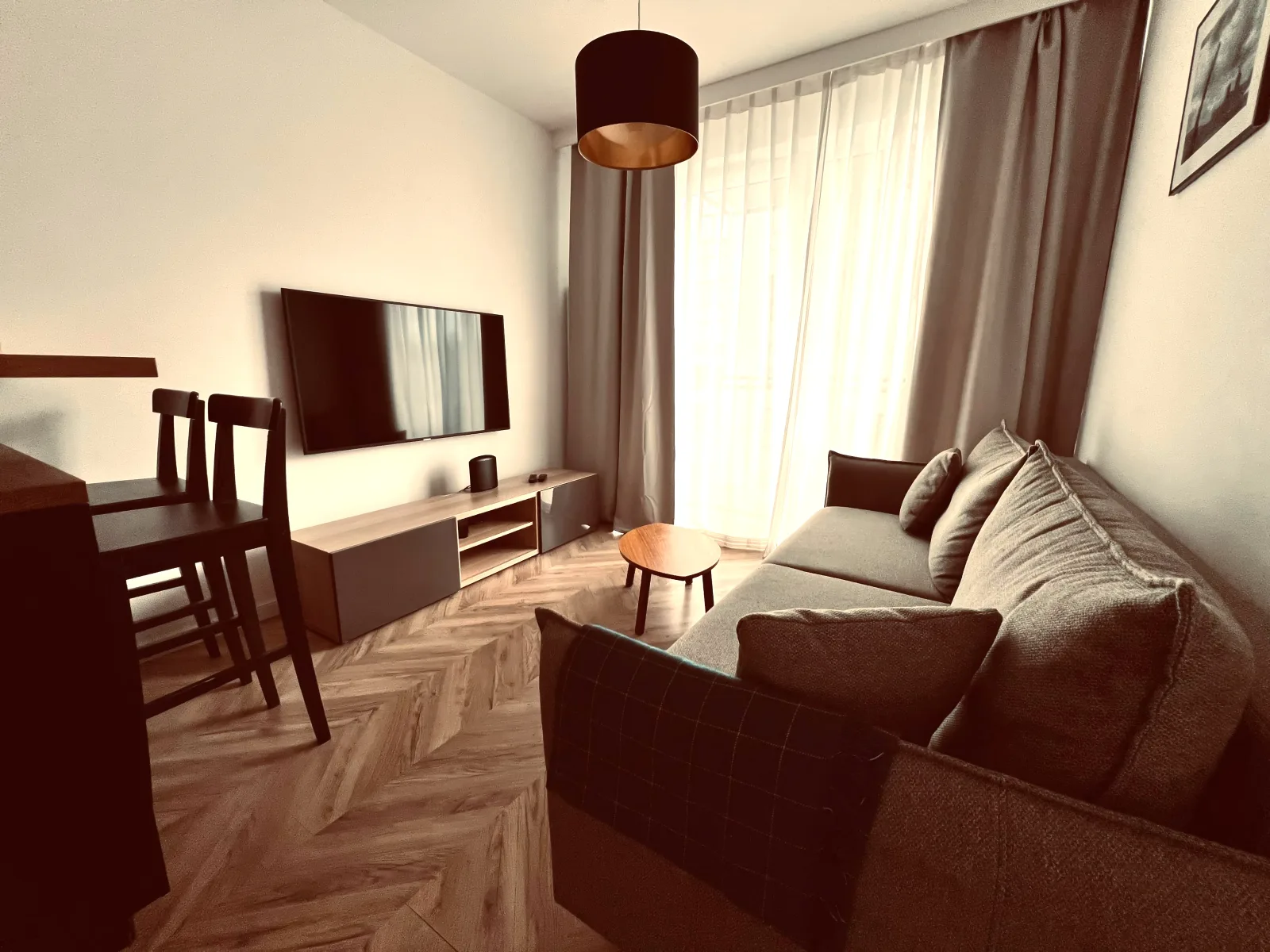
Apartament standard Bastion Wałowa
- 1 bedroom
- 2 beds
- 4 guests
- 36 m²
An apartment on Wałowa Street in the heart of Gdańsk — bedroom with a comfortable bed, fully equipped kitchen, shower bathroom. Underground garage, lift, fast Wi-Fi. No unnecessary extras — with an address that speaks for itself. Długi Targ 7 minutes on foot, Main Railway Station 350 metres, tram to Letnica and the beach 15 minutes. The best price-to-location ratio in the entire Bastion Wałowa complex.
Liked these topics?
Monthly guide to Gdańsk — events, new places, our apartments and their availability. No spam, just one email.
Related posts
Gdansk in Winter — Why You Should Visit from November to March
Discover Gdańsk off-season: no crowds, lower prices, Christmas markets, museums without queues, and the Baltic Sea looking different than in summer. We’ll convince you to visit Gdańsk when it’s quiet.

Easter in Gdansk — what’s open & a 4-day seaside plan
Easter in Gdansk 2027: exact dates, daily openings, Easter market & long weekend plan by the sea — still quiet and cheaper than May.
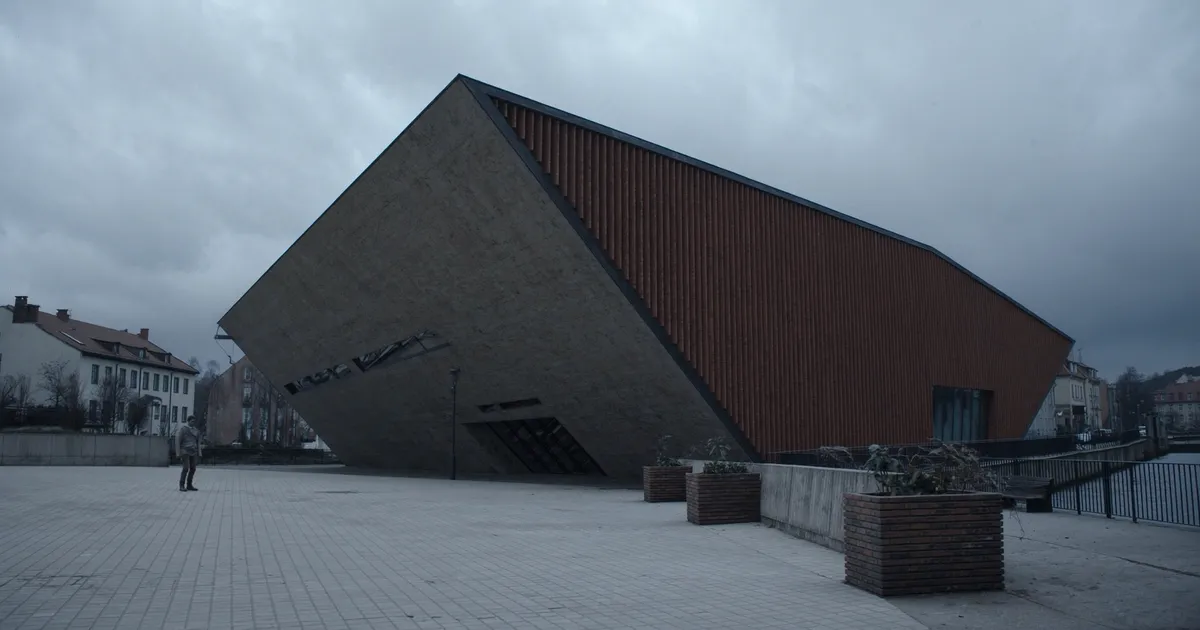
Gdansk’s Museum of the Second World War – Parking & How Long to Visit
Parking at the Museum of the Second World War in Gdansk: entrance from Wałowa, height restrictions, free hours. How long to visit and is it suitable for children?