

Gdansk Amber Museum — Wielki Młyn: Tickets & Hours
Practical guide to the Amber Museum in Wielki Młyn: ticket prices, opening hours, top exhibits, and whether it's worth visiting with children in Gdansk, Poland.
The Amber Museum is sometimes treated as a half-hour stop between Long Market and the stalls on Mariacka Street. That’s a mistake — since 2021, it has been housed in Wielki Młyn, a medieval Teutonic mill that stands as one of Gdańsk’s most interesting buildings, regardless of what’s inside. Below: what you’ll see across two floors of exhibits, how much it costs, how long you’ll need, and whether it’s worth visiting with children at all.
Why Wielki Młyn — the Teutonic Mill That Became a Museum
The Teutonic Order built Wielki Młyn around the mid-14th century (the earliest known historical record dates from 1364) — and it was probably the largest medieval industrial facility in this part of Europe. It was powered by 18 water wheels, each five meters in diameter (originally there were twelve; they were expanded before 1471), fed by water from the Radunia Canal — a canal dug specifically to provide power for the mill. At its peak, the mill processed up to 200 tons of grain into flour daily and supplied Gdańsk’s bakers and brewers for centuries.
The mill operated continuously until 1945, when it was completely destroyed by fire — only the outer walls survived. It was rebuilt between 1962 and 1965, but its true transformation came between 2018 and 2021, when a multi-stage renovation prepared the Gothic interiors for their new role as a museum.
The Amber Museum is a branch of the Gdańsk Museum (alongside sites such as the Main Town Hall, Artus Court, and Wisłoujście Fortress). It has been operating since 2000 and, from 2006, welcomed visitors at the Zespół Przedbramia — Katowni and the Prison Tower on Długa Street. On July 24, 2021, it moved to Wielki Młyn, gaining more than double its exhibition space — from just under 440 to about 1000 square meters. One thing worth remembering: Wielki Młyn stands in the Old Town, not the Main Town where Długi Targ and St. Mary’s Basilica are located — it’s a formally separate district, though in practice they’re just minutes apart on foot.
What You’ll See Inside — Two Floors of Exhibits
The exhibition is divided into two distinct sections. The first floor features a natural history section — the story of the building itself, the process of amber formation, and a recreated “amber forest” showing how resin from coniferous trees millions of years ago turned into the stone that today washes up on Baltic beaches. The second floor shifts from nature to art — showcasing everything from historical jewelry to contemporary designs combining amber with silver, malachite, or wood.
Two exhibits are worth remembering before you enter:
- 68 kg Amber Block from Sumatra — the largest known piece of amber in the world, listed in the Guinness Book of Records.
- Amber Chess Set by Michael Redlin, circa 1690 — one of only four complete 17th-century sets in existence (the others are held by the Danish Royal Family, the Hermitage in St. Petersburg, and the Grünes Gewölbe in Dresden). This particular set was made in Gdańsk, later moved to Amsterdam, and from 1758 belonged for generations to the Murray family at Blair Castle in Scotland — until it appeared at a Christie’s auction in London in 2015. The Gdansk Museum bought it back for around 2.4 million złoty so it could return to where it was made.
Also on display is the Zernebach Cabinet from 1724 — an amber writing desk in the style of a Gdańsk baroque cabinet, crafted by Gdańsk artisan Johann Georg Zernebach — along with archaeological jewelry from the Roman era. It’s a good moment to slow down and read the descriptions instead of rushing through the room in five minutes.
Inclusions from 40 million years ago — a lizard found nowhere else in Poland
In amber chunks from the natural history section are preserved entire snapshots of the prehistoric world— insects, plant fragments, and occasionally spiders, dating back tens of millions of years. The greatest sensation in the collection is one particular specimen: the Gierłowska Lizard.
This piece contains a lizard trapped in amber around 40 million years ago, discovered in 1997 on the beach in Gdańsk Stogi by Gdańsk amber collector Gabriela Gierłowska—after whom it was named. It is the only such inclusion found in Poland and only the second in the world—the first, described at the end of the 19th century, was documented by German researcher Richard Klebs. If you have time for just one exhibit in the entire museum, make it this one—you’ll also find a magnified replica here that can be viewed up close.
Tickets, Opening Hours and Free Admission Day
Estimated pricing – prices may change; check current rates at muzeumgdansk.pl before your visit:
| Ticket | Estimated Price |
|---|---|
| Adult | approx. 37 zł |
| Reduced | approx. 26 zł |
| Family (2 adults + up to 6 children) | approx. 99 zł |
| Children under 7 years old | free |
It’s worth noting the hours, as Monday operates differently than the rest of the week:
- Monday: 12:00–20:00 — and this is actually the day when entry is free for everyone. The museum opens two hours later, so free admission saves you a morning.
- Tuesday–Sunday: 10:00–20:00, at standard rates.
- Last entry: 60 minutes before closing — this is a strict rule from the Gdańsk Museum, not an approximation.
The museum may be closed on selected public holidays (e.g., January 1 and 6, Easter, Corpus Christi, November 1, December 24–26 and 31) – if you plan to visit around these dates, check the calendar at muzeumgdansk.pl.
The Gdańsk Museum also sells combined tickets for multiple sites, including the Main Town Town Hall and Artus Court — if you’re planning more than one attraction in a single day, ask at the ticket office whether it’s worth it.
How Much Time to Plan and Is It Worth Going with Children
Sightseeing takes about 1–1.5 hours—that’s enough time to leisurely walk through both floors and read the descriptions at key exhibits. Amber enthusiasts and those who read every plaque should add another half hour.
It varies when traveling with children. Older kids (around 6–7 years and up) and teenagers usually manage the full tour without complaints, especially if you focus on the amber forest diorama and the story of the lizard—this is a concrete, easy-to-tell tale, not just a dry plaque with dates. Toddlers and infants tire more quickly, as it’s still a classic museum with display cases, not a playground. Children under 7 enter free, and families pay less with a family ticket. If you’re looking for a broader plan for a stay with children of different ages, we have a separate guide → Gdańsk with Children.
It’s also one of the surefire options for a rainy day—everything is indoors, and the interiors of the Great Mill are impressive regardless of weather. More ideas for Plan B when it’s pouring over the Baltic Sea can be found in → Gdańsk When It Rains — Indoor Attractions.
Where to Buy Real Amber — and How Not to Buy Fakes
After the natural history museum, the next step is buying your own souvenir—and that’s where a completely different district begins. Stalls and jewelry shops are concentrated mainly on Mariacka Street in the Main Town (not in the Old Town, where Wielki Młyn stands), just a few minutes’ walk south of the museum. The closer you get to tourist crowds, the higher the chance of买到 fake amber—plastic sold as genuine without clear distinction. It’s safer to buy from a stationary jewelry store that provides a certificate or origin document.
Simple test to start: in a glass of salted water, real amber floats on the surface; fakes sink to the bottom. A full list of tests—including salt, UV, and electrostatic—plus more tips on where to buy safely, is detailed in → Amber in Gdansk — How to Recognize the Real Thing.
Getting Here, Parking and Connecting with the Rest of the Main Town
The address is Wielkie Młyny 16 — the building stands in the Old Town, just a few minutes’ walk north of Long Market and Wyżynna Gate, between the Old Town Hall and St. Catherine’s Church. If you’re coming via Trakt Królewski, it’s a natural, short detour from the route rather than a separate trip — a full step-by-step guide to the entire trail is available at → Trakt Królewski in Gdansk — Step by Step Walk.
Driving to the location: The whole area lies within the Central Paid Parking Zone, which charges daily, so searching for a spot right near the museum rarely makes sense for short visits. It’s easier to leave your car once and walk around the entire Old Town together with the Main Town.
The closest access point to Wielkie Młyny and the whole Main Town is from Bastion Wałowa — it’s a five-minute walk to Long Market, and just a few more minutes to the museum itself. This is our only location where you can complete this entire route — Trakt Królewski, Wielkie Młyny, Mariacka — without needing a tram or searching for parking.
→ Bastion Wałowa District
→ Deluxe Apartment in Bastion Wałowa — with a balcony offering views of both the Old Town and the Gdańsk Shipyard.
→ Suite Apartment Bastion Wałowa — a compact option, same five-minute walk to the Main Town.
Planning a day in the Old Town and Main Town but unsure about the best order? Contact our concierge — we’ll suggest a route and help you choose an apartment closest to what you want to see first.
Frequently asked questions
- Where exactly is the Amber Museum located in Gdansk, Poland?
- The Amber Museum is located in the Great Mill at ulica Wielkie Młyny 16, in the Old Town — on a man-made island at the fork of the Radunia Canal, between the Old Town Hall and St. Catherine's Church. This is a different district than the Main Town, where Long Market and St. Mary’s Basilica are located, but it’s just a few minutes’ walk north from Long Market, so both sites can easily be combined in one stroll.
- How much do tickets to the Amber Museum cost?
- A regular ticket is approximately 37 zł, a reduced ticket around 26 zł, and a family ticket (for two adults and up to six children) about 99 zł—children under 7 years old enter for free. Museums update their prices regularly, so check the exact rates at muzeumgdansk.pl before your visit.
- When is the Amber Museum open and is there a free entry day?
- From Tuesday to Sunday, the museum is open from 10:00 to 20:00 at standard prices. Mondays are free for everyone, but the museum opens then only at 12:00 and closes at 20:00. Last entry is 60 minutes before closing, and the museum may be closed on selected public holidays—check the calendar at muzeumgdansk.pl.
- How long does it take to visit the Amber Museum, and is it worth going with children?
- Exploring both floors takes about 1–1.5 hours, a bit longer if you read every description. It’s a sensible, not-too-long attraction for children aged around 6–7 and teenagers—history of the lizard trapped in amber sparks imagination better than dry facts. With toddlers and babies it will be harder, as this is a classic display-case museum, not a play space.
Help me book an apartment
The AI concierge matches an apartment to your plans — dates, party size, district. Replies in seconds.
Apartments that fit this stay
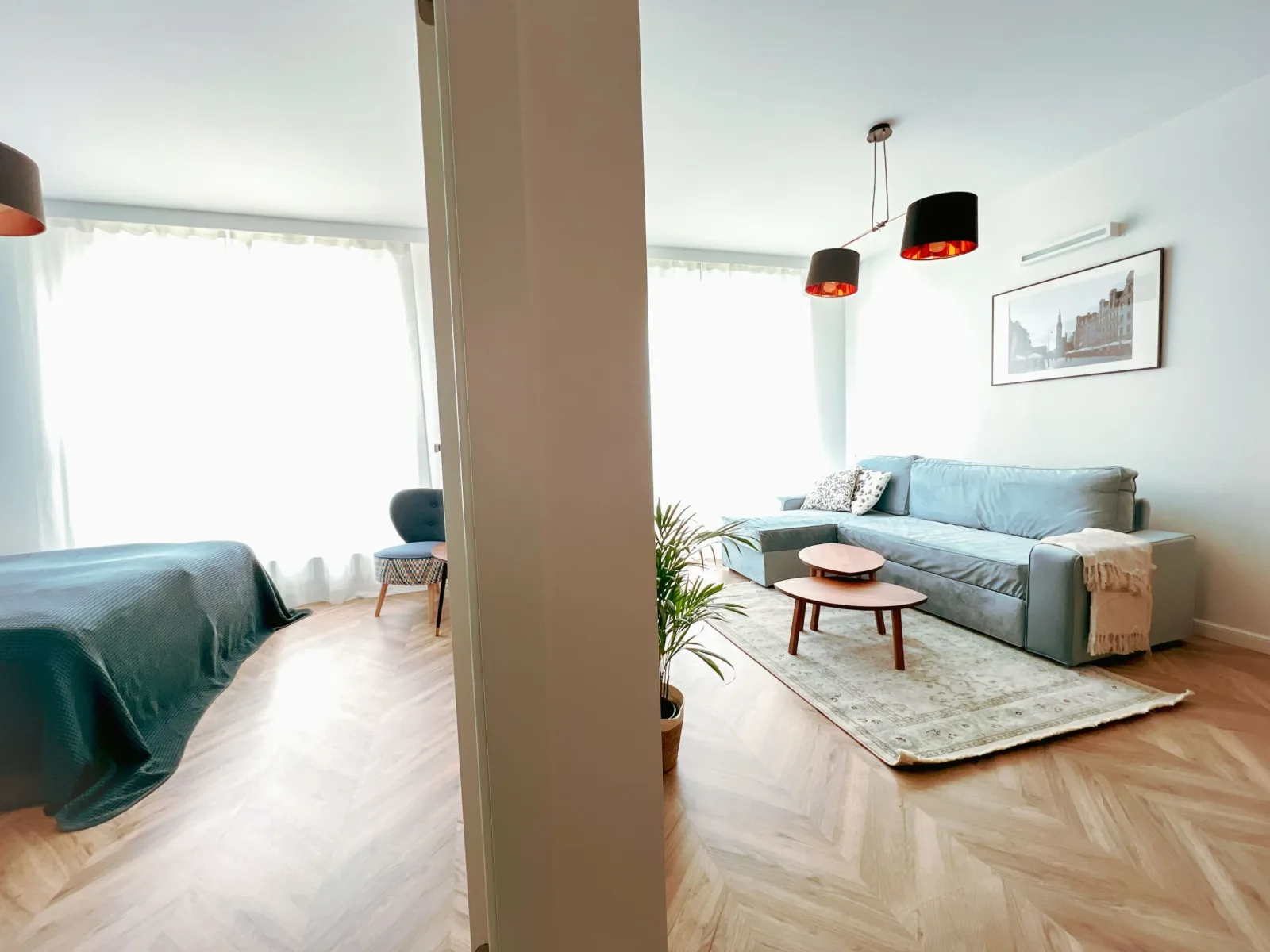
Apartament Deluxe Bastion Wałowa
- 1 bedroom
- 2 beds
- 4 guests
- 45 m²
A stylish apartment with a balcony right in the heart of Gdańsk on Wałowa Street — 45 m², 5 minutes' walk to the Old Town and Long Market. The balcony view says it all: Old Town on your right, the Gdańsk Shipyard on your left — the two must-sees of any visit in a single frame. Fully equipped kitchen, shower bathroom, Smart TV, fast Wi-Fi, washing machine and oven. Underground parking space included. Sleeps 2–4.
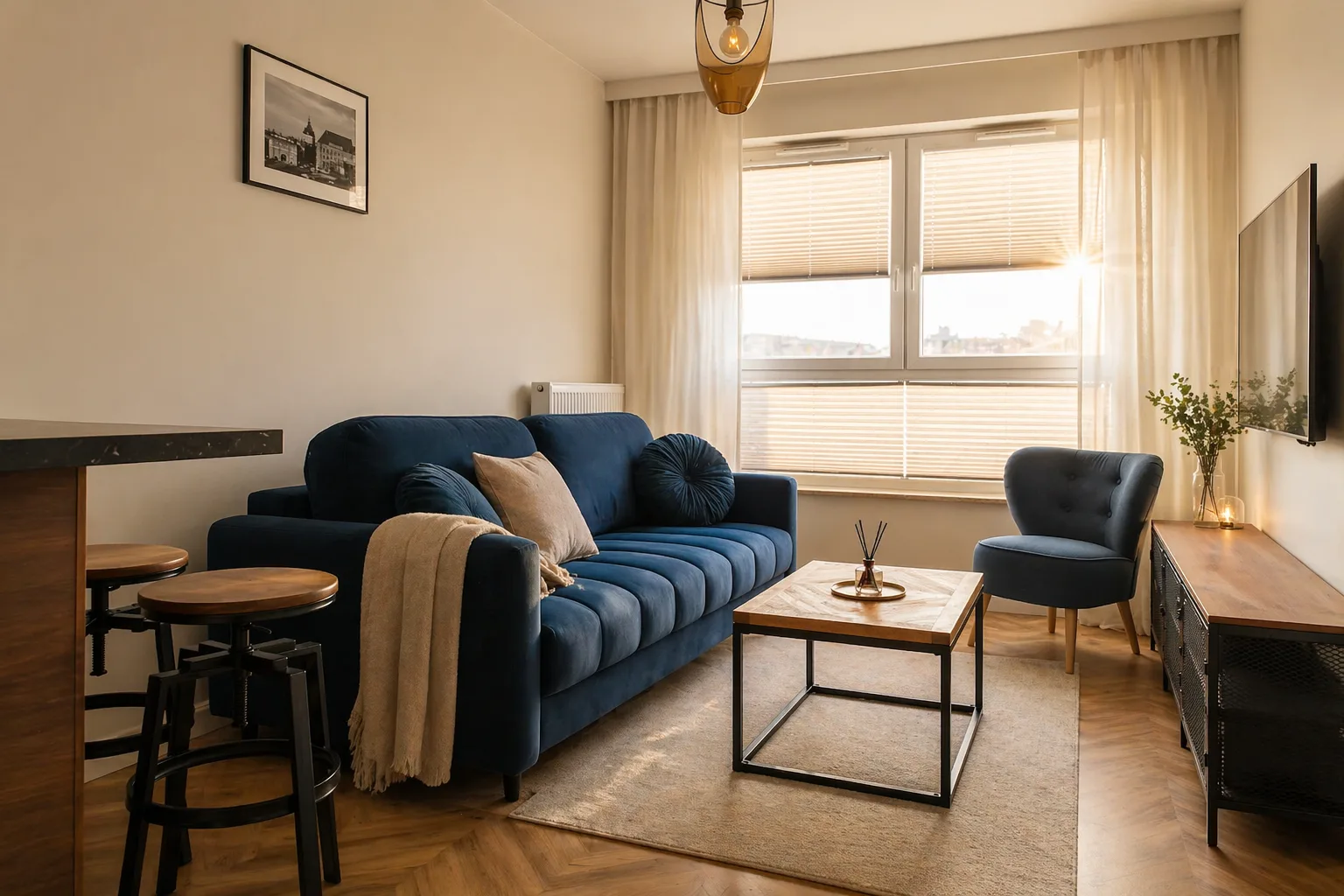
Apartament Suite Bastion Wałowa
- 1 bedroom
- 2 beds
- 4 guests
- 37 m²
A suite apartment right in the heart of Gdańsk on Wałowa Street — 37 m², bedroom with a king-size bed, fully equipped kitchen with coffee maker, fast Wi-Fi and Smart TV. 5 minutes' walk to the Old Town, 7 minutes to Długi Targ. Modern finish in the new wing of the Bastion Wałowa complex, lift and underground garage. Ideal for a couple or small family wanting quiet comfort in the historic centre of Gdańsk.
Liked these topics?
Monthly guide to Gdańsk — events, new places, our apartments and their availability. No spam, just one email.
Related posts
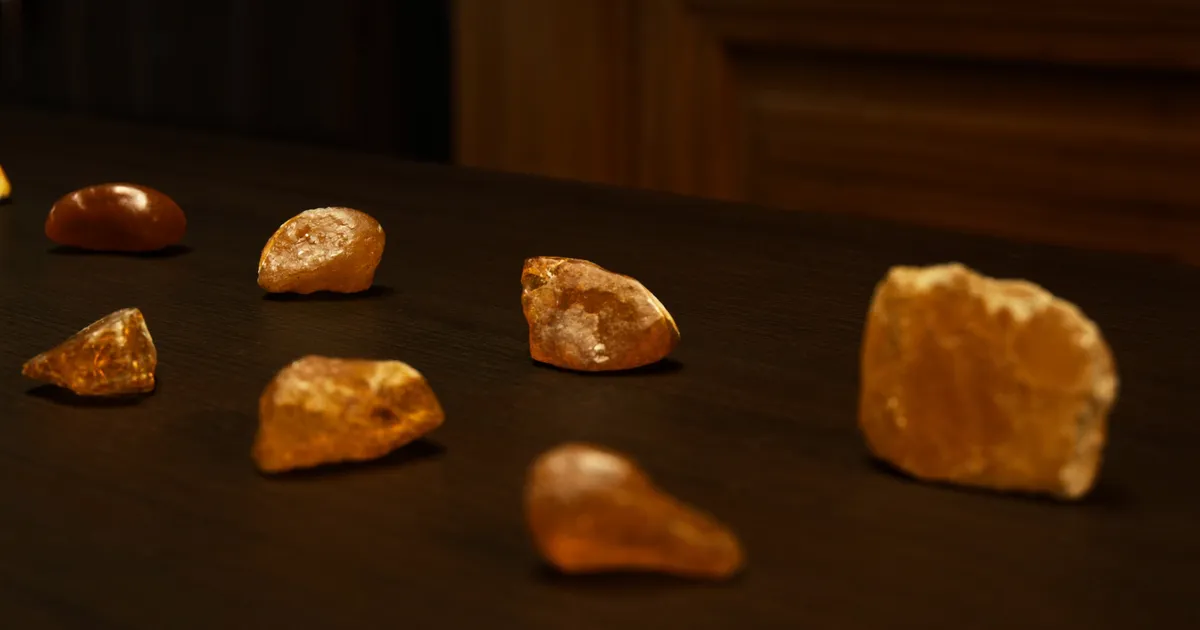
Amber in Gdansk — How to Spot the Real Thing and What to See at the Amber Museum
Salt, UV and scent tests for amber at the Amber Museum in Wielki Młyn. What to know before buying amber in Gdansk, Poland.
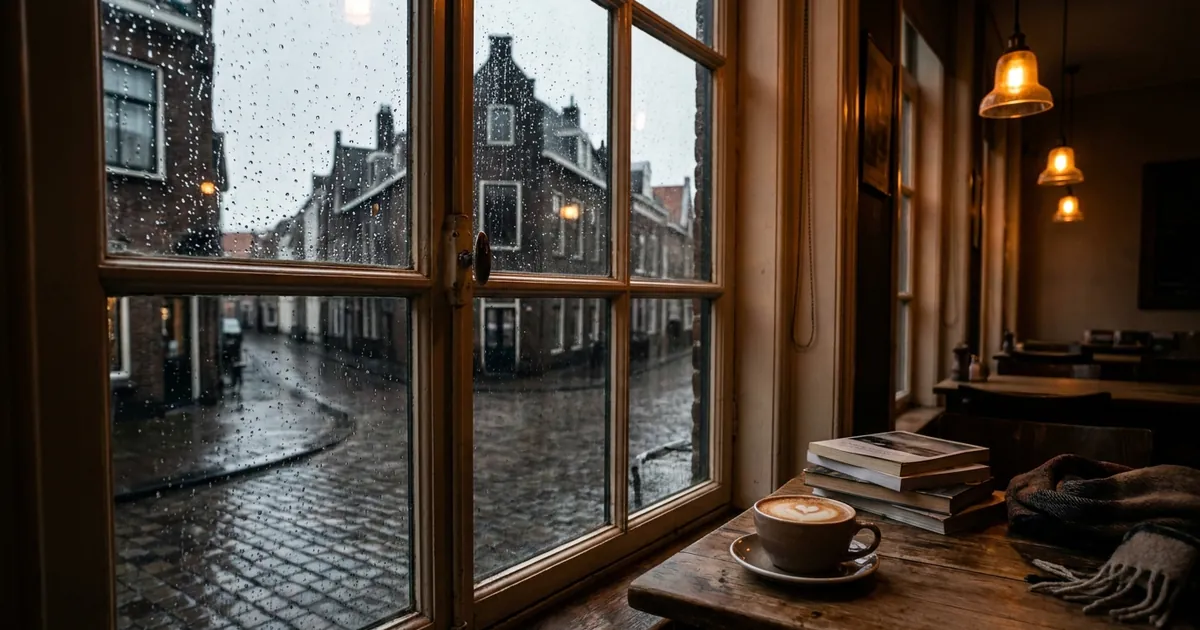
Gdansk when it rains — indoor attractions for a full day
Plan a rainy day in Gdansk, Poland with Museum of the Second World War, ECS, Amber Museum, Hevelianum, and Sołdek—easy tram access when weather doesn’t cooperate.
Gdansk’s St. Mary's Tower — 409 Steps, Prices, & Views
Entry to the Basilica of St. Mary in Gdansk: 409 steps, ticket prices, seasonal hours, and honest advice on who should skip it.