
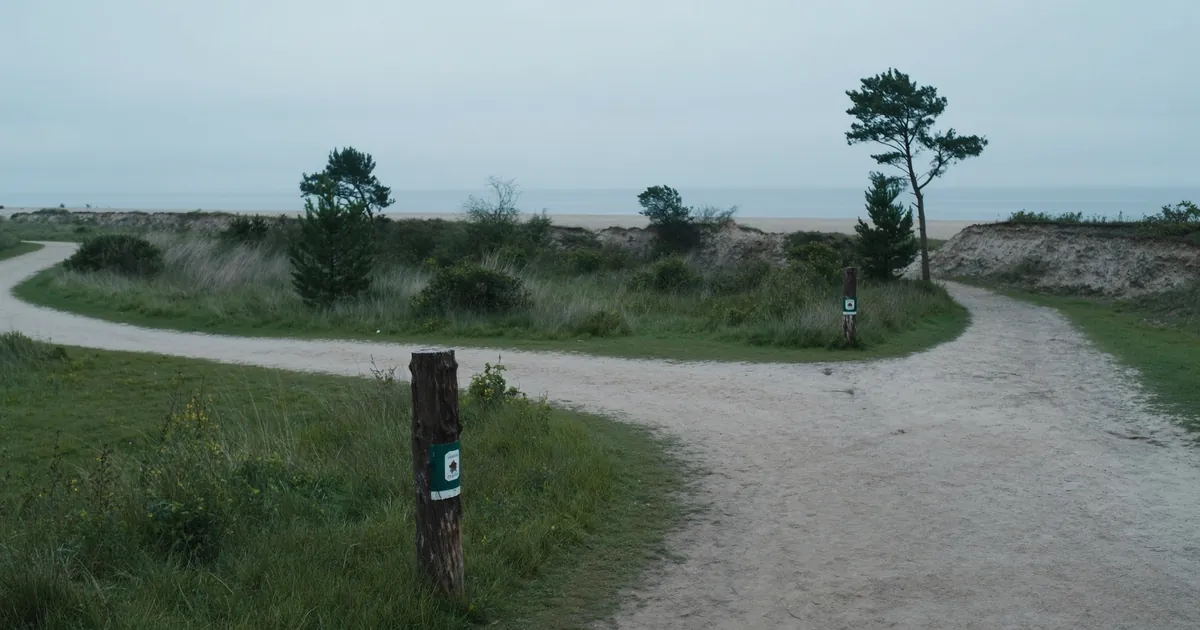
Westerplatte from Gdansk – How to Get There & Time to Plan
Get to Westerplatte by bus, boat, or car – compare transport options, tickets, visiting time, and a half-day itinerary with September 1939 history in Gdansk, Poland.
Westerplatte is the place where World War II began—on September 1, 1939, the German battleship Schleswig-Holstein opened fire on the Polish Military Transit Depot, and a small crew under Major Henryk Sucharski defended it for seven days against overwhelmingly superior forces. Today, it’s a peaceful peninsula with open grounds to explore, but getting there can be confusing—several transport options, varying travel times, and seasonal boat schedules. We break it down step by step below.
Why This Place Matters
The Military Transit Depot on Westerplatte formally guarded Polish military property in the Free City of Gdańsk, but its defense became the first episode of armed resistance in the war that claimed millions of lives across Europe. A garrison of just over 200 soldiers held off significantly larger German forces for a week—longer than anyone expected at the time. This event became permanently embedded in Polish national symbolism, much like Solidarity’s 1980 strikes at the nearby Gdańsk Shipyard—both stories unfold literally just a few kilometers apart, on opposite sides of the mouth of the Dead Vistula.
For visitors, this means that walking through Westerplatte is rarely just another stop on an itinerary—it’s a place where open space, silence, and preserved ruins speak louder than any informational sign.
Comparison of Travel Options
| Option | From | Travel Time | When it runs |
|---|---|---|---|
| Bus 106 | Gdańsk Główny main station | approx. 30 min | all year round |
| Bus 138 | Gdańsk Główny main station | approx. 35 min | mainly during rush hours |
| Bus 606 | city center | approx. 15 min | seasonally, May–September |
| Tram to Nowy Port + ferry | Downtown | — | ferry currently not operating; do not plan this route |
| Boat trip | Brama Zielona / Targ Rybny | approx. 40-50 min cruise | seasonally, depending on weather |
| Car | anywhere | approx. 20–30 min, depending on traffic | all year round, limited parking in season |
Bus — the simplest option year-round
The most reliable way to get around is by bus, as it runs regardless of weather and season:
- Line 106 — runs directly from Gdańsk Główny main station to Westerplatte stop, taking about 30 minutes. Operates all year round, making it the safest choice outside peak season.
- Line 138 — also goes directly but less frequently, mainly during rush hours; takes around 35 minutes.
- Line 606 (seasonal) — runs only from May to September, but is the fastest: about 15 minutes from the city center with frequent departures throughout the day.
You can buy tickets for any ZTM line via the mobile app, at a ticket machine on the stop, or by SMS. Check the current schedule before your trip, as seasonal routes may change year to year.
By Tram? Only with a Ferry Across the Canal
Warning about a common mistake: trams do not reach the Westerplatte peninsula. The furthest you can go by tram is to Nowy Port — on the other side of the port canal, where there is no pedestrian crossing. The foot ferry connecting both banks has been out of service for years — the idea of restoring it regularly resurfaces in media and civic budget discussions, but as of now, it remains only a proposal, not a viable travel option. Don’t plan your route through Nowy Port — for most visitors, bus 106 or seasonal 606 are the only sensible choices. Learn more about getting around without a car → Transport in Gdansk: Tram, SKM, Bike.
Boat Tour — the most pleasant, but seasonal
In summer months, sightseeing cruises depart from the quays near Bramie Zielonej and Targu Rybnego directly to Westerplatte. We recommend this option if you’re not in a hurry and want to turn your journey into part of the experience — the route follows the Motława river, passes by the Crane (Żuraw) and Granary Island, then opens up to the estuary leading into the Bay of Gdańsk. Cruise schedules are seasonal and weather-dependent, so check current departure times directly with the operator — ideally in the morning on the same day before you leave your apartment. The return trip along the same route completes a scenic loop, especially at sunset.
By Car – It’s Possible, But Not Advantageous
There is a road to Westerplatte and parking available there, but during the season spaces are often limited, and the route through Nowy Port isn’t significantly faster than taking the bus. If your apartment has guaranteed parking, leave the car at home and opt for the bus or ferry—less stress, no need to search for a spot at the end of your trip. We’ve written more about city parking → Parking in Gdansk.
What to See On Site
The main memory trail runs through the former Military Transit Depot site, past the ruins of barracks destroyed during the fighting in September 1939, informational plaques, and the Monument to the Defenders of the Coast. Walking the entire trail at a relaxed pace takes approximately 1.5–2 hours.
If you want to dive deeper into history rather than just follow the route, visit Wartownia nr 1 — a branch of the Gdańsk Museum with an exhibition on the defense of Westerplatte, the only paid point on the site. This will add another 45–60 minutes, but provides context that the trail’s plaques alone cannot convey. Check the museum’s website for current pricing and opening hours before your visit—these can vary seasonally.
The entire area is open and free to explore—you pay only if you decide to enter Wartownia nr 1.
Westerplatte or the Museum of the Second World War — Do You Have to Choose?
If you have limited time or the weather isn’t suitable for outdoor walks, an alternative is the Museum of the Second World War, located in the city center, just a few minutes’ walk from the Old Town. This extensive permanent exhibition covers the war on a European scale—not just Westerplatte—making it a great choice for rainy days or when you want broader historical context without leaving the peninsula.
However, these two sites complement each other perfectly: the museum in the center provides context and details, while a walk through Westerplatte shows the actual location where it all began. If time allows, visiting both is well worth it.
Who Is This Trip For
Westerplatte attracts a wide range of visitors for different reasons:
- History enthusiasts — this is a must-see spot, best combined with Fort 1 and extra time to read the plaques.
- Families with older children — open space, ruins visible from a safe distance, and the chance to run on grass make it an easier choice than enclosed museum halls.
- Cyclists — bike paths lead to Westerplatte from the city center along the port canal, making it a good destination for longer cycling routes.
- Guests with limited time — if you’re in Gdańsk for just one day, a walk along the Memory Trail (without Fort 1) will give you a sense of the place in under an hour.
Half-Day Plan
For most guests, Westerplatte is a natural addition to a history-focused day, not a full-day trip:
- Morning — ECS and Solidarity Square in Młody Mieście (2–3 hours with audio guide).
- Afternoon — travel to Westerplatte (bus or boat), walk the Memory Trail and optionally visit Watchtower No. 1.
- Evening — return to the city center and dinner by the Motława river.
This schedule connects two parts of the same story—August ‘80 at ECS and September ‘39 on Westerplatte—without requiring an extra day in your itinerary. Learn more about ECS and Młody Mieście → Gdańsk Shipyard and ECS.
Where to stay for convenient access
Guests staying near the Motława river and Main Town have the shortest travel time to Westerplatte — from there, both bus 106 and the seasonal boat departing from Zielona Gate are just a few minutes’ walk away. Our apartments in Bastion Wałowa and on DOKI are located within this range, so your morning trip to Westerplatte doesn’t start with a half-city commute.
→ Bastion Wałowa Apartments
→ DOKI Apartments
→ View all apartments
Planning a day focused on Gdańsk’s history — from the Shipyard to Westerplatte? Write to our concierge — we’ll recommend the best sightseeing order and help you choose an apartment with the shortest travel time.
Frequently asked questions
- How to get to Westerplatte from the center of Gdansk most quickly?
- In the summer season (May–September), the fastest option is seasonal bus line 606 — the journey from the city center takes approximately 15 minutes. Outside of the season, the best choice is bus line 106 from Gdańsk Główny main station, which runs directly to Westerplatte in about 30 minutes.
- Is entry to Westerplatte free?
- The area and the Memory Trail walk are free — it's an open space accessible at any time. The only paid entry is for the ticket to Fort 1, a branch of the Gdańsk Museum featuring an exhibition on the defense of Westerplatte in September 1939. Check the current pricing on the museum’s website before your visit.
- How much time should I plan for visiting Westerplatte?
- A walk along the main memory trail, past the barracks ruins and monument, takes about 1.5–2 hours at a relaxed pace. If you include a visit to Fort No. 1 with its exhibition, add another 45–60 minutes. For the entire trip including travel both ways, realistically plan for half a day.
- Can you reach Westerplatte by boat?
- Yes, during the summer season, sightseeing cruises depart from the embankment near Zielona Gate and Rybnego Market directly to Westerplatte — this is the most enjoyable option, as the cruise along the Motława river and onward toward the estuary is part of the experience. Schedules and frequency are seasonal and weather-dependent, so check current departure times directly with the operator before leaving your apartment.
Help me book an apartment
The AI concierge matches an apartment to your plans — dates, party size, district. Replies in seconds.
Apartments that fit this stay
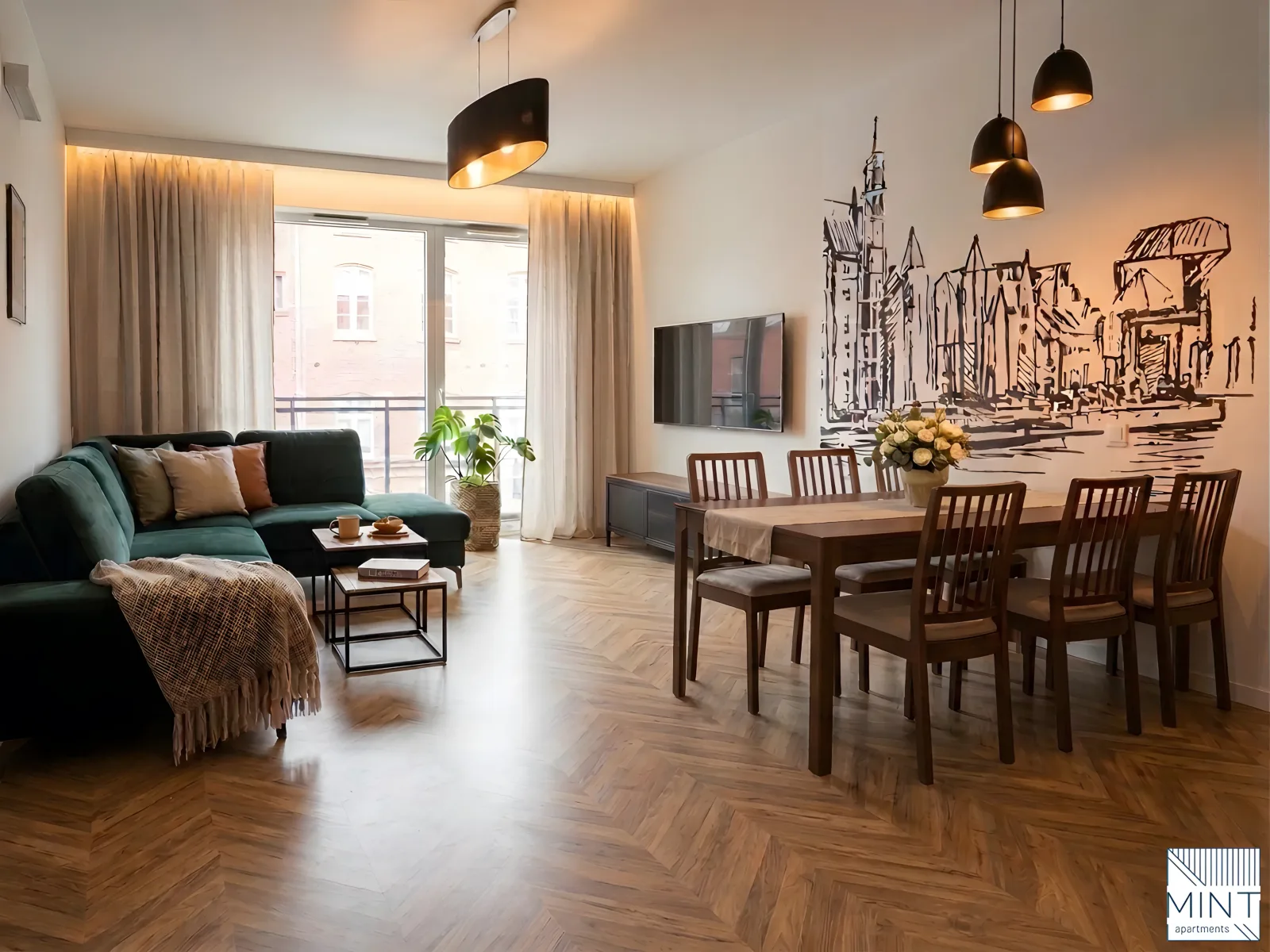
Apartament Bastion Wałowa z dwiema sypialniami
- 2 bedrooms
- 3 beds
- 6 guests
- 65 m²
A spacious two-bedroom apartment with two bathrooms and a balcony right in the heart of Gdańsk on Wałowa Street — 65 m² for up to 6 guests. Balcony overlooking Wałowa Street and the historic Śródmieście quarter. Długi Targ is 400 metres on foot. Fully equipped kitchen with coffee maker, Smart TV, fast Wi-Fi, washing machine and oven. Underground garage included. The largest Mint apartment in the Bastion Wałowa location — the top pick for families and groups of friends.
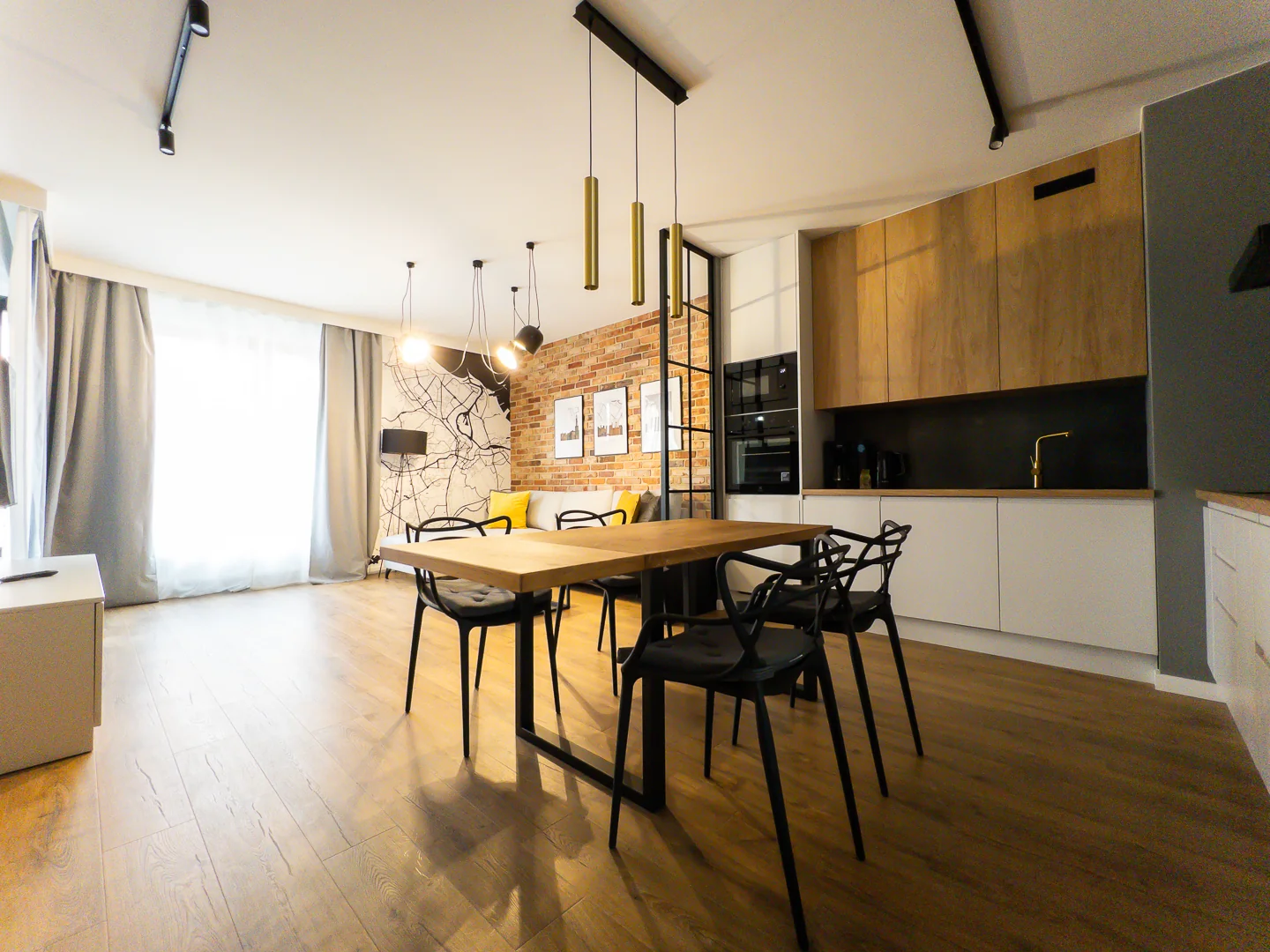
Apartament z dwiema sypialniami przy Stoczni z dużą łazienką
- 2 bedrooms
- 3 beds
- 6 guests
- 70 m²
A two-bedroom apartment with a standout large bathroom next to the Gdańsk Shipyard in the DOKI complex — 70 m² for up to 6 guests. The large bathroom is the main draw: bright, spacious and the feature guests remember most. Second floor, fast Wi-Fi, Smart TV, fully equipped kitchen. DOKI location: Montownia food hall and the European Solidarity Centre within walking distance.
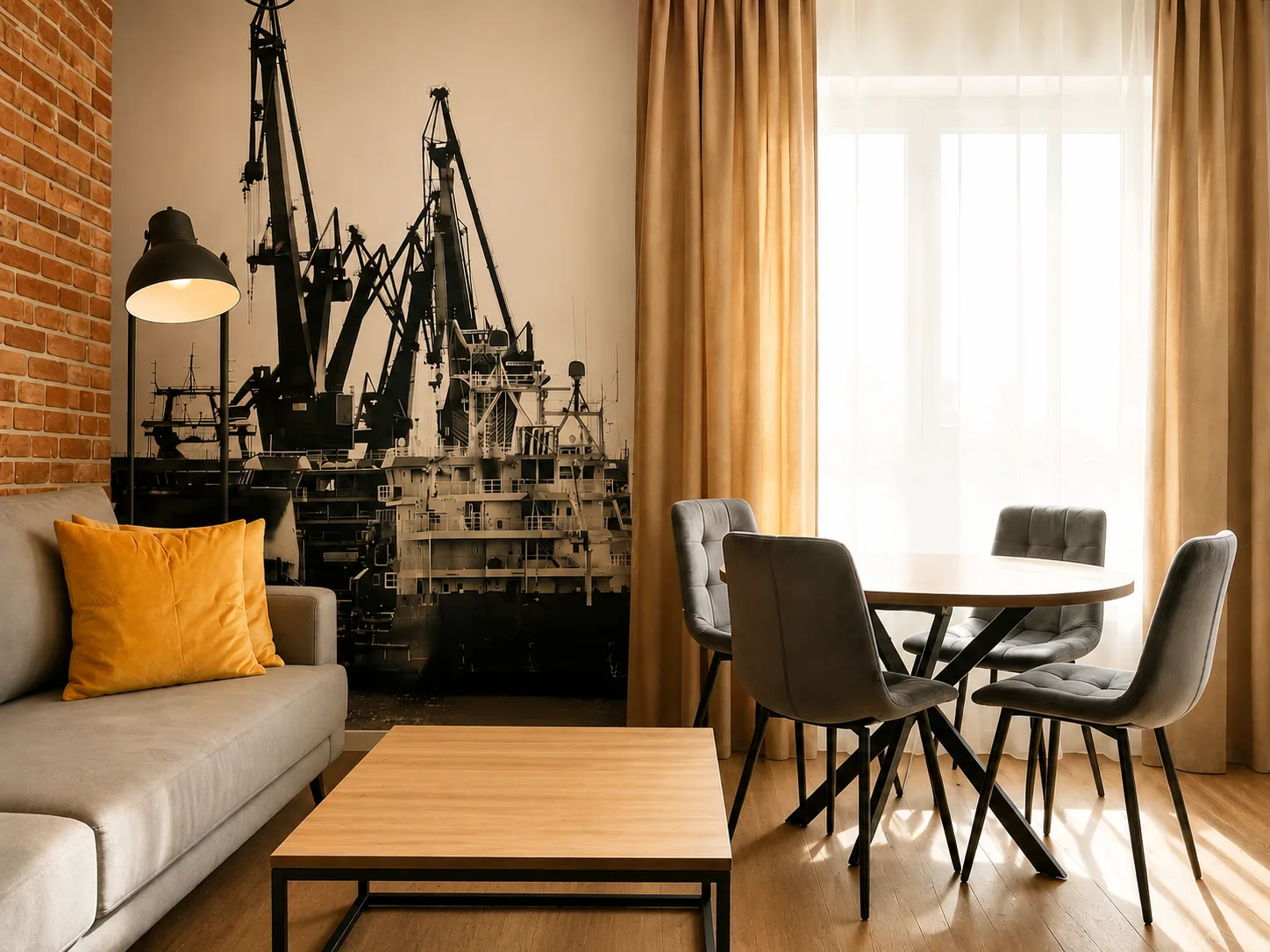
Apartament rodzinny z dwiema sypialniami DOKI
- 2 bedrooms
- 3 beds
- 6 guests
- 62 m²
A family apartment with two bedrooms in the DOKI complex — 62 m², two bathrooms, underground garage. Master bedroom with king-size bed, second bedroom with two beds, dining table for six, full kitchen, washing machine. For a family or two couples. Montownia food hall within walking distance, ECS 10 minutes on foot, tram to the Old Town 15 minutes. Gdańsk the way it should be — everything close, nothing needing advance planning.
Liked these topics?
Monthly guide to Gdańsk — events, new places, our apartments and their availability. No spam, just one email.
Related posts

Gdynia from Gdansk — how to get there and what to see in one day
Gdansk to Gdynia in 35 minutes by SKM: Kamienna Góra, Orłów Pier, Dar Pomorza & ORP Błyskawica. Plan a day trip without a car, step by step.
Sopot from Gdansk — Day Trip Getaway
Gdansk to Sopot day trip: SKM train, pier, Monciak, beach – best times to avoid crowds, where to eat, and how to return in the evening.
Gdansk Główny Station After Renovation — How to Get to the Center
Gdansk Główny station after renovation: how to exit platforms, walk to Main Town with luggage, transfer tips, and where to stay nearby in Gdansk, Poland.