
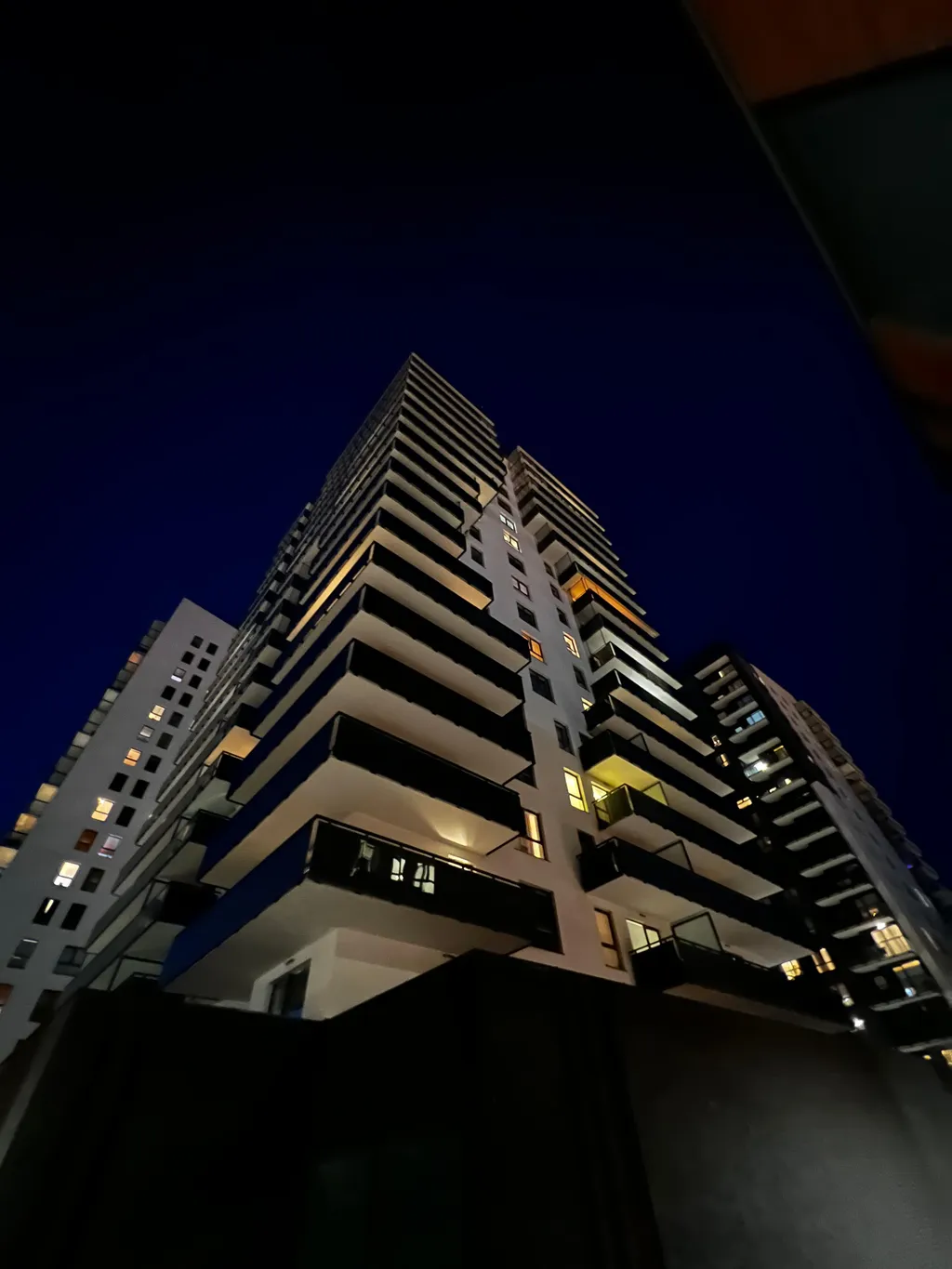
Wyspa Spichrzów — What to See in Gdansk’s Coolest District
Wyspa Spichrzów in Gdansk, Poland – explore the historic granary district, must-see sights, best spots to sit by the Motława river and capture stunning sunset photos.
Just two decades ago, Granary Island was an empty, post-industrial patch of land just across the Motława river from the Main Town. Today it’s one of Gdansk’s most photographed areas — hotels, waterfront restaurants, and views of the Crane from across the Motława. Here’s what you should know before you go.
A Brief History — The Granary District
The name is no coincidence. From the Middle Ages through the early modern period, hundreds of granaries stood here—brick warehouses where Gdańsk merchants stored grain transported down the Vistula from across the Polish-Lithuanian Commonwealth. It was this grain trade, warehoused and exported via Gdańsk as the Hanseatic League’s main Baltic port, that built the city’s wealth for centuries. The density of buildings was immense—the island was practically one giant warehouse complex.
The disaster came in 1945—the battle for the city at the end of World War II destroyed almost all of the historic structures on the island. For decades during the PRL era, the area remained largely undeveloped—ruins, open spaces, makeshift buildings. Serious reconstruction and revitalization only began in the last twenty years, as the city started to see the island as a natural extension of the Main Town rather than its back alley.
What’s There Today
Today’s Wyspa Spichrzów is a mix of rebuilt blocks echoing the shape of former granaries, combined with modern hotel and residential architecture. The buildings are denser than just a few years ago, and most ground floors house restaurants, cafes, and service points catering to tourist traffic along the Motława river.
A distinctive feature is the pedestrian-cyclist bridge connecting the island to Long Embankment on the Main Town side — it’s the shortest possible route between the two parts of the city, just a few minutes’ walk. From the bridge and the island’s waterfront, you get one of the best views of the Crane (Żuraw) and the skyline of the Main Town in Gdansk — without having to climb any tower.
A Symbol of Contemporary Gdańsk’s Transformation
Granary Island is today often presented as an example of how Gdańsk has changed over the past two decades—from a city rebuilt primarily in the spirit of historical reconstruction (like the Main Town after the war) to one that can also build anew, in modern form, while respecting the scale and character of former development. The shapes of new buildings echo the proportions of old granaries—narrow, tall facades, gabled roofs—even though inside they now house hotels, apartments, and offices instead of grain storage. For someone who knows only the postcard image of the Main Town, the island can be a surprise—it presents an entirely different architectural register, despite literally just one hundred meters separating both banks of the Motława river.
It’s also worth knowing that the reconstruction of the island is still ongoing—some plots are still awaiting development, so as you walk, you’ll encounter densely built quarters alongside open spaces that will look completely different in a few years. This isn’t a museum-like, closed-off whole like the Main Town, but a living, constantly evolving district.
Shakespeare Theatre — a neighborhood worth visiting
A few minutes’ walk from the island, on the side of the Main Town, stands the Gdańsk Shakespeare Theatre — a modern building with a distinctive, open roof reminiscent of Elizabethan theatres. It’s one of the most interesting architectural projects in Gdańsk in recent years and a natural stop on your route if you’re already in the area of the island and Long Embankment.
Ołowianka and the National Maritime Museum — views from the other side
Looking from Wyspa Spichrzów toward the sea, across the Motława river you can see the island of Ołowianka—home to the National Maritime Museum and a historic museum ship permanently moored there as one of the waterfront’s main attractions. It’s a great addition if you want to supplement your visit to the Old Town and Granary Island with something related to Gdańsk’s maritime history—the museum is just a few minutes’ walk along the embankment.
How the Island Has Changed Over the Years
If you were in Gdansk ten to fifteen years ago, the Wyspa Spichrzów you remember probably looks completely different today. The pace of investment on the island over the last decade was among the highest in the entire city—new building quarters transformed empty lots and temporary parking areas into hotels, apartment buildings, and service spaces. For residents of Gdansk, it remains a topic of discussion—not everyone shares enthusiasm for modern architecture so close to the medieval Old Town—but it’s hard to deny that the island has ceased to be a dead spot on the city map.
Restaurants and Cafes along the Motława
The gastronomy on the island and along the adjacent embankment is dense and diverse—ranging from cafes with terraces opening directly onto the river, to hotel restaurants, and venues specializing in Baltic cuisine and classic Polish dishes. This area also boasts one of the city’s longest culinary traditions—on the Main Town side, right by the waterfront, there have been restaurants associated with Gdańsk’s port cuisine for decades. Prices in this part of town are clearly tourist-oriented, so if you’re looking for something more affordable, it’s worth walking a few blocks into the heart of the Main Town.
For a broader overview of restaurant types across Gdansk and tips on what to look out for when choosing where to eat, check → Where to Eat in Gdansk — A Gastronomic Guide.
Accommodation on the island itself
There are also chain hotels on Granary Island, including well-known international brands — this gives the area a more business-tourist character rather than a residential one. For someone seeking an authentic local atmosphere and wanting to live among Gdańsk residents rather than in a hotel environment, staying across the river in the city center may be a better choice. From there, it’s just a few minutes’ walk to the island, and you can return each evening to a district that lives by its own rhythm, not solely driven by tourism.
Who Is This Part of the City For?
Granary Island is perfect if you’re looking for contrast—you want to see how Gdańsk responds to the question “what’s next after rebuilding monuments?” If you prefer a clean, cohesive aesthetic of the historic city without modern additions, you’ll spend less time here and head back to Main Town. But if you enjoy architecture that shows the process rather than just the finished result, Granary Island is one of the most interesting places in the city for a longer stroll with your camera.
Evening stroll — the best time to visit the island
Wyspa Spichrzów transforms after dark. By day, it’s mostly a transit zone between restaurants and hotels, but in the evening, when lights come on in the windows and the Crane (Żuraw) is illuminated across the Motława river, the whole area becomes much more atmospheric. It’s also the best time for photos — reflections of lights in the Motława and the silhouette of the Main Town against the sky deliver some of Gdańsk’s most recognizable shots.
Grain Trade — Why Gdańsk Was So Rich
It’s worth understanding the scale we’re talking about when discussing the old granaries. For centuries, Gdansk was the main export port for grain transported down the Vistula River from across the Polish-Lithuanian Commonwealth—from Mazovia, through Lesser Poland, all the way to areas of today’s Ukraine. The grain arrived at Gdańsk’s granaries, where it waited for ships bound for the Netherlands, England, and other countries in Western Europe. It was this trade—largely conducted by Gdańsk merchants organized within the city’s self-government—that built fortunes which financed much of the Main Town’s grand architecture: the tenements on Long Market, the Artus Court, the Town Hall. Granary Island served as the logistical backbone of this entire system—the more grain passed through the city, the more warehouses were built.
What the island looks like during the day
During the day, Wyspa Spichrzów has a distinctly different character than in the evening—more business and hotel traffic, less strolling. It’s a good time for a peaceful visit without the crowds that gather at the waterfront for dinner in the evening. If you’re after photos without people in the frame, mid-morning on a weekday is surprisingly quiet—the majority of tourist activity at this time is concentrated across the river, on Długi Targ and near Neptun.
Best Shots — Where to Stand with Your Camera
- Pedestrian and Cycle Bridge — central view of the Crane and the entire Long Embankment, best just after sunset.
- Embankment on the opposite side of Granary Island from the Crane — classic shot with water in the foreground.
- Area around the Shakespeare Theatre — contrast between modern architecture and the medieval silhouette of Main Town in the background.
How to Connect the Island with the Rest of Your Sightseeing
Granary Island naturally connects with the tour of the Main Town — it’s just a few minutes from the Crane and Long Embankment, so you don’t need an extra day for this. If you’re planning your entire stay, check out the full route through the Main Town → Royal Route in Gdańsk – Step by Step Walk and the ready-made → Gdańsk Sightseeing Plan for a Weekend, where the island is a natural stop on the afternoon of your first day.
Where to stay near the island
Closest to Wyspa Spichrzów, on the other side of the Motława river, lies Bastion Wałowa—a few minutes’ walk from the bridge and Long Embankment, so you can end your evening stroll by the water without needing a tram. It’s also conveniently located for exploring the rest of the Main Town if the island is just one stop on your day.
→ Bastion Wałowa district
→ See Mint apartments near Motława
Want to stay a few minutes from Wyspa Spichrzów and the Crane? Let us know your travel dates and number of guests, and we’ll recommend an apartment closest to the waterfront and help you plan the rest of your sightseeing around this area. Contact our concierge—we’ll also let you know what time of day the island looks best.
Frequently asked questions
- What is Granary Island in Gdansk?
- This is an island on the Motława river, directly opposite the Main Town, where hundreds of granaries—grain storage warehouses—stood since medieval times and helped build the wealth of Hanseatic Gdańsk. Almost all buildings burned down in 1945, leaving the island empty for decades. Serious reconstruction began only in the last twenty years and is still ongoing.
- How long does it take to explore Granary Island?
- A walk around the island and along the embankment takes 30–45 minutes. If you add a coffee or meal by the Motława river and some time for photos at sunset, realistically plan for 1.5 to 2 hours—best in the late afternoon when the light is most beautiful.
- How to get to Granary Island from the Main Town in Gdansk, Poland?
- A few minutes on foot via the pedestrian bridge over the Motława river from Long Embankment and the Crane. This is one of the shortest interdistrict walks in all of Gdansk, so no transportation is needed.
- What’s interesting near Granary Island?
- Across the Motława river lies Ołowianka Island, home to the National Maritime Museum and a historic ship museum. A few minutes' walk toward the Main Town is the Shakespeare Theatre, while the bridge and embankment offer some of the best views of the Crane (Żuraw) and the entire panorama of the Main Town.
Help me book an apartment
The AI concierge matches an apartment to your plans — dates, party size, district. Replies in seconds.
Apartments that fit this stay
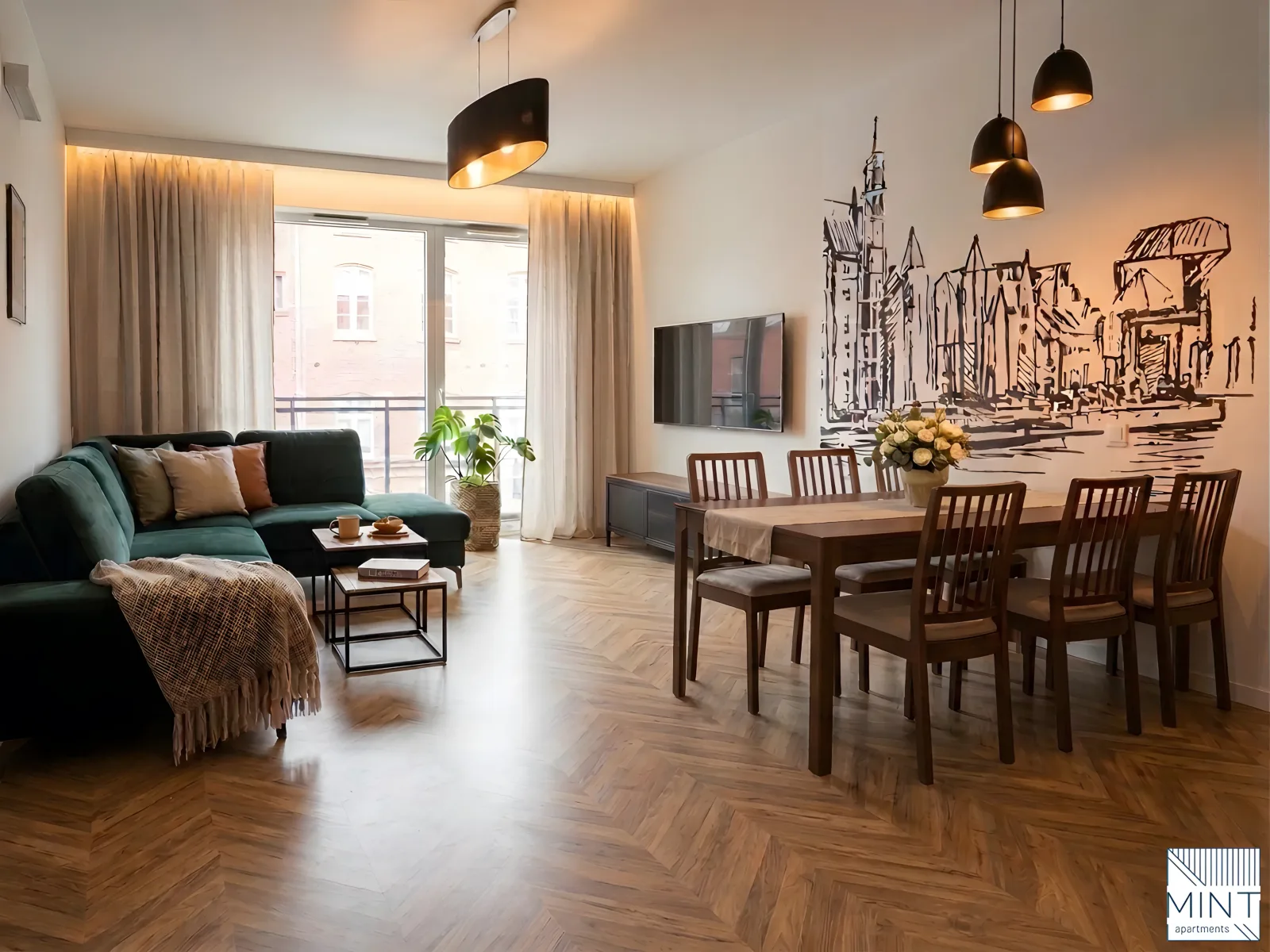
Apartament Bastion Wałowa z dwiema sypialniami
- 2 bedrooms
- 3 beds
- 6 guests
- 65 m²
A spacious two-bedroom apartment with two bathrooms and a balcony right in the heart of Gdańsk on Wałowa Street — 65 m² for up to 6 guests. Balcony overlooking Wałowa Street and the historic Śródmieście quarter. Długi Targ is 400 metres on foot. Fully equipped kitchen with coffee maker, Smart TV, fast Wi-Fi, washing machine and oven. Underground garage included. The largest Mint apartment in the Bastion Wałowa location — the top pick for families and groups of friends.
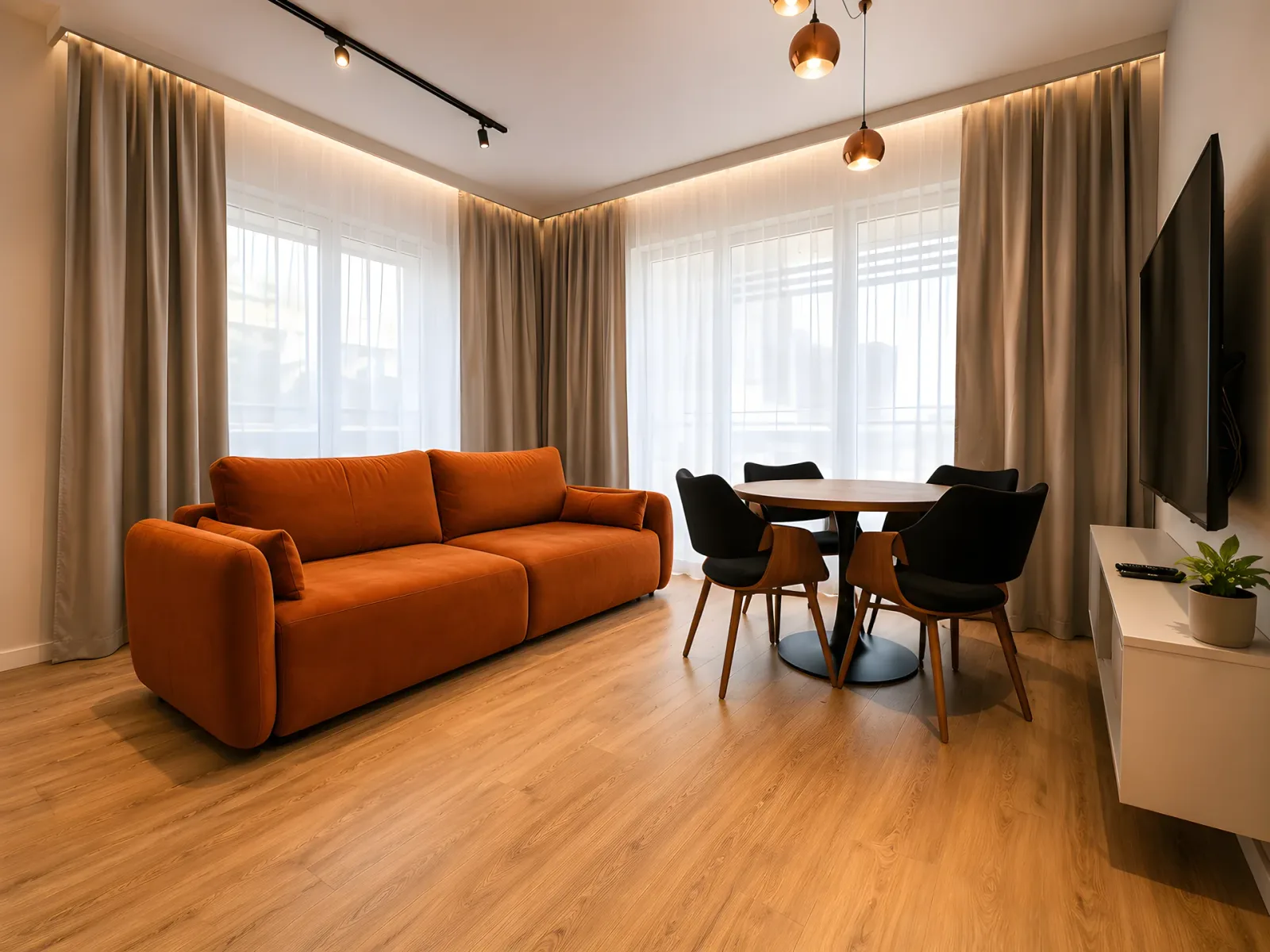
Apartament DOKI z dwiema sypialniami przy foodhall
- 2 bedrooms
- 3 beds
- 6 guests
- 62 m²
A two-bedroom apartment in the DOKI complex — 62 m², balcony with courtyard views, underground garage. Master bedroom with king-size bed, second bedroom with two beds, two bathrooms, fully equipped kitchen. For 2–6 guests. Montownia food hall 50 metres from the entrance, ECS 10 minutes on foot, tram to the Old Town 15 minutes. The dinner question answers itself here.
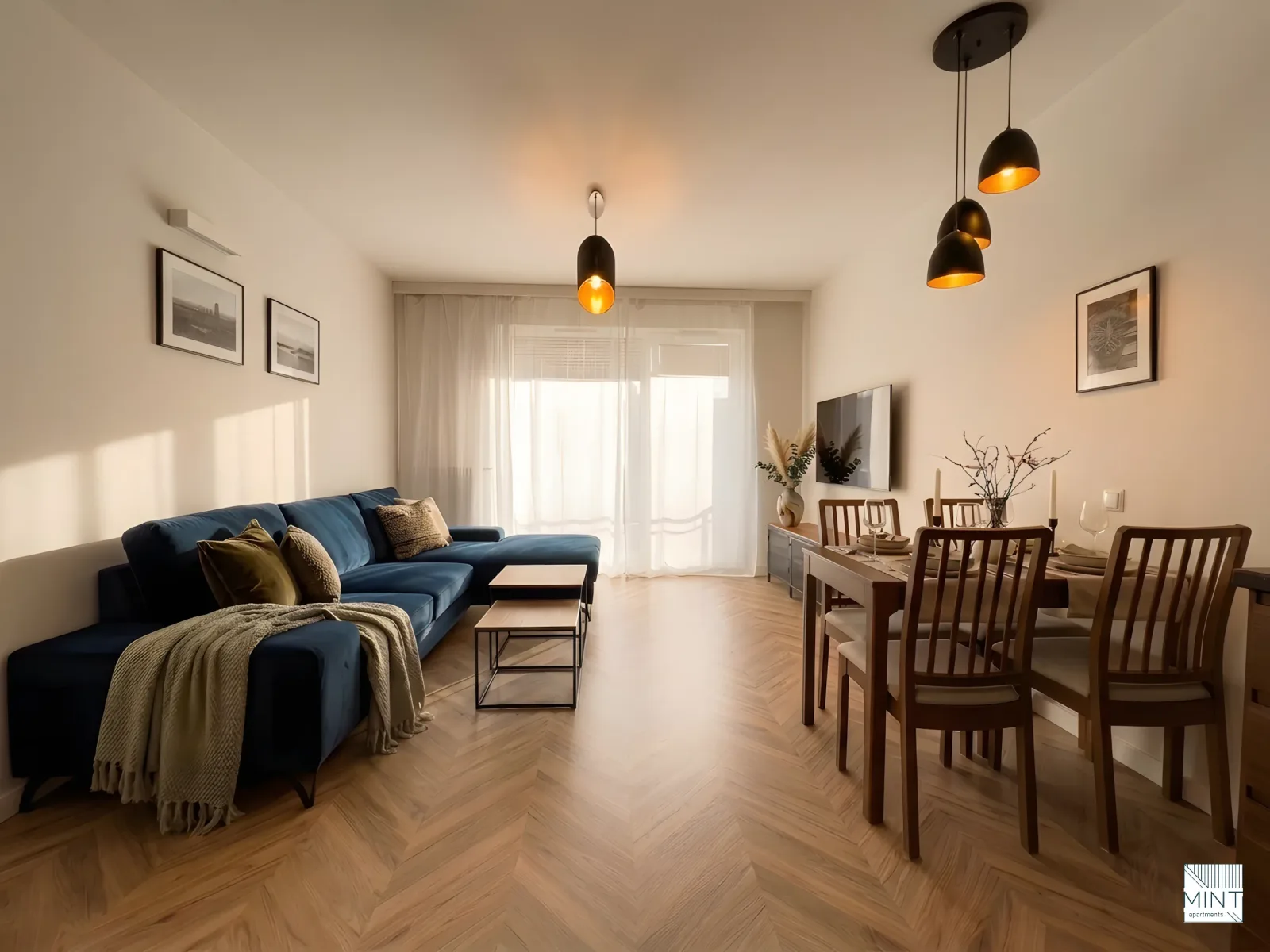
Apartament z widokiem na ogród
- 1 bedroom
- 2 beds
- 4 guests
- 46 m²
A cosy apartment with garden views on the 3rd or 4th floor of the Bastion Wałowa complex on Wałowa Street — 46 m², bedroom with a king-size bed, balcony, fully equipped kitchen, fast Wi-Fi and Smart TV. 5 minutes' walk to the Old Town, 7 minutes to Długi Targ. Internal quiet — garden view instead of street noise. One of Mint's most peaceful addresses in Gdańsk's historic centre. Underground garage and lift in the building.
Liked these topics?
Monthly guide to Gdańsk — events, new places, our apartments and their availability. No spam, just one email.
Related posts
Gdansk’s St. Mary's Tower — 409 Steps, Prices, & Views
Entry to the Basilica of St. Mary in Gdansk: 409 steps, ticket prices, seasonal hours, and honest advice on who should skip it.
The Crane in Gdansk – What’s New After Renovation & How Much It Costs
The Crane in Gdansk after renovation: new multimedia exhibit with holograms, ticket prices, NMM hours, Ołowianka ferry, and a 2-hour sightseeing plan.
AmberSky Gdansk — tickets, hours, and is the gondola worth it?
AmberSky Gdansk: ticket prices, weekly and seasonal opening hours, ride duration, and walking routes from Bastion Wałowy and Main Town.