
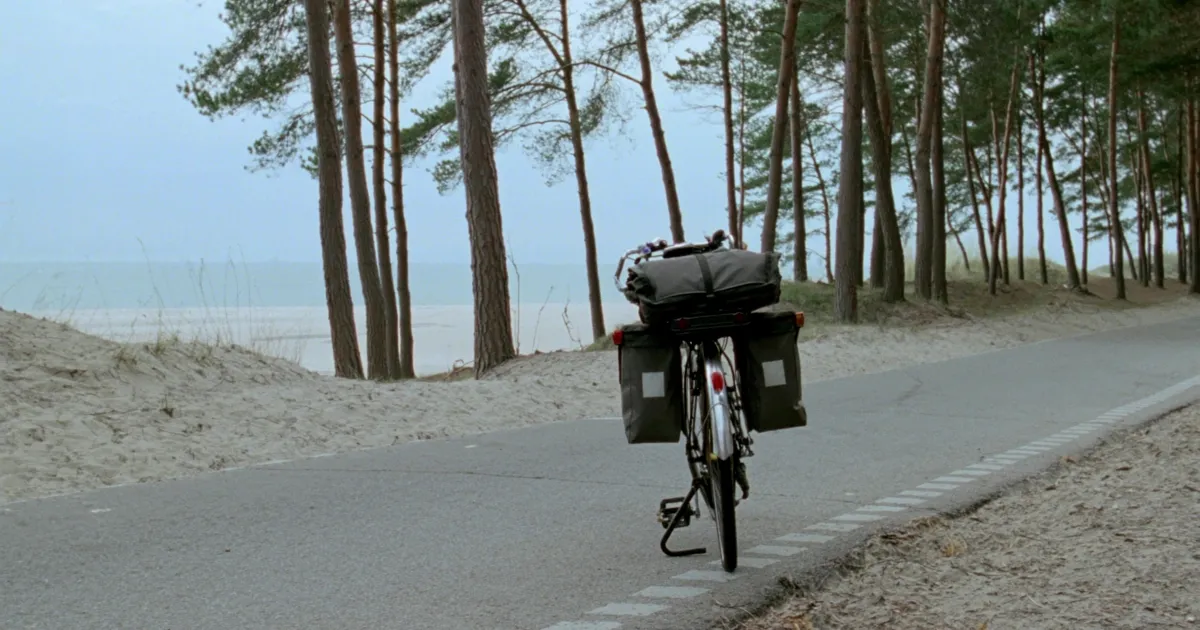
Cycling Routes in Gdansk – 5 Trails from Sea to Forest, with Distance Info
Five proven bike routes from Gdansk – to the sea, Sopot, Gdynia, Westerplatte and Sobieszewo – with distance, time and where to rent a bike.
Before you hit the roads on a bike in Gdansk, Poland, it’s worth knowing not just where to ride, but also where a bicycle simply isn’t practical. Below are five specific routes from Gdansk — each with distance, estimated time, surface type, and difficulty level — plus separate guidance: where to rent a bike and how to take one on the SKM (commuter rail).
Why Gdansk is a city for cyclists (and where that’s not true)
Gdansk has an extensive network of bike paths—dedicated lanes, shared pedestrian-cyclist routes, and bike lanes stretching hundreds of kilometers—and the international EuroVelo 10/13 route runs through the city center and along the coast, partially overlapping with the national R-10 route. The coastline from Brzeźno to Gdynia is flat and entirely follows a separated path away from cars—this is the easiest and most tourist-friendly section of cycling in Gdansk.
A few places where this image doesn’t hold true:
- Main Town features cobblestone streets, narrow alleys, and crowds of pedestrians—some streets are pedestrian zones, so it’s better to walk your bike here than ride.
- The ferry across the Dead Vistula (Wisłoujście–Nowy Port) does not run regularly for nearly a decade—don’t plan trips to Westerplatte using this route (more in Route 2).
- The tunnel under the Dead Vistula has a permanent ban on bicycles—you can only ride through it once a year, during the annual anniversary passage.
- Trójmiejski Park Krajobrazowy along Oliwa features real hills, not another flat promenade (Route 4).
- Mevo, Gdansk’s metropolitan bike-sharing system, has already had a major outage—the first version of the system collapsed in autumn 2019. It now operates under a new operator, but that’s a good reason to check its current status instead of assuming it “always works.”
Biking by the sea is simply the best way to get around. In several other areas, you’ll need to know alternate routes.
Where to Get a Bike — Mevo and Rental Shops
Mevo is a bike-sharing system (mostly with electric assistance) at stations throughout the Gdańsk-Gdynia-Sopot metropolitan area, operated via the app “Mevo – rower metropolitalny”. It’s worth knowing the history: the first version launched in 2019 but ceased operations that same year due to financial issues and failure to deliver the promised fleet. A second version began operating in November 2023 under a new operator, with a mostly electric fleet. The full fleet operates approximately from March to November; some bikes are withdrawn from stations during winter.
You register in the app, pay a one-time registration fee, and top up your wallet—then you’re charged by the minute (electric bikes cost more per minute than standard ones) or can purchase a subscription. We deliberately don’t list specific rates here—the Mevo pricing has changed several times since the system relaunched, so check current prices in the app or at mevo.pl before your first ride.
In addition to Mevo, there are several private bike rental shops in the Main Town and near the beaches—typically offering city bikes, trekking bikes, and electric models, some with child seats. This is a sensible option for longer rentals than what Mevo’s pricing allows or for specific bike types, such as an electric bike for route 4 through the forest. Prices and availability vary by location and season—check before your visit. You can bring your own bike on the train—rules and free SKM section details are described below.
5 Bicycle Routes from Gdansk
Five routes that you can realistically ride starting from Gdansk—from flat promenades to forested hills. Choose based on your fitness level and the type of bike you have.
1. Coastal Route: Brzeźno - Jelitkowo - Sopot - Gdynia
The simplest and most well-known Gdansk-Sopot-Gdynia cycling path in the region—entirely separated, flat, with the sea on one side. Start from the beach in Brzeźno, then along the promenade through Jelitkowo and Reagan Park, a short wooded section to the Sopot border and pier, then along the embankment through Kamienny Potok to the cliff and pier in Orłowo, ending in central Gdynia.
Distances: Brzeźno–Sopot is approximately 9 km, Sopot–Gdynia (Orłowo) another about 10 km—totaling around 19 km one way, taking 2–2.5 hours at a relaxed pace. The full Gdansk-Sopot-Gdynia coastal route is often counted as around 25–30 km and 4–5 hours round trip without rushing—if you start closer to central Gdansk, add the difference. The surface is entirely asphalt, with a section marked as part of EuroVelo 10/13, plus a short stretch of cobblestone in Orłowo.
Suitable for everyone—city bikes, Mevo without assistance, and children on their own wheels can manage it easily. You don’t have to return the same way: on this section (Gdansk Śródmieście – Wejherowo), bike transport on SKM is free, so you can board in Sopot or Gdynia and return by train. You literally start from the beach we described separately → Brzeźno Beach in Gdansk.
2. City Center - Westerplatte (via Wisłoujście)
Let’s clarify what doesn’t work: the ferry connecting Nowy Port with Wisłoujście has not run regularly for nearly a decade—don’t plan your route around it. The tunnel under the Martwa Wisła also won’t help—you can’t enter by bike or on foot (exceptions are one annual commemorative crossing). You can only transport your bike through the tunnel via bus: during the week on lines 158 and 258, and from May to September, additionally seasonal line 658 between Energa Stadium and Ku Ujściu stop, adapted for 8 bikes at once, without extra charge.
The actual cycling route follows the eastern bank: from the Main Town toward Przeróbka, across Sucharski Bridge (which has a bike path), then immediately after the bridge left to Fort Wisłoujście and onward to Westerplatte—or straight ahead to Stogi Beach. The distance is approximately 9–11 km one way from the Main Town (exact length depends on street variant), with the flat section between Fort Wisłoujście and Westerplatte being just about 3 km. Surface is good asphalt, terrain flat, but it’s not a single continuous marked path—ride with bike navigation.
For whom: for those who want to combine cycling with visiting the history of September ‘39—full description of Westerplatte itself, exhibition at Watchtower No. 1, and alternative access (bus, boat) is available separately → Westerplatte — How to Get There and Visit.
3. Motława River and Sobieszewo Island
A route east along the water, from the city straight into nature reserves. Start near Targ Węglowy and Wielka Zbrojownia, then along the Motława and Vistula riverbanks marked as EuroVelo 13, all the way to Sobieszewo Island via the Sobieszewski Swing Bridge.
Distance to Sobieszewo is approximately 15 km one way, taking about 1 hour at a moderate pace. Surface is asphalt throughout, route flat and easy. On site, you can choose between two reserves of different character: Ptasi Raj (free, close to the island entrance, with trail and viewing tower) and further in Świbnie, Mewią Łacha with a colony of wild seals—this adds several more kilometers mostly on an improved riverside path that is also part of international route R10/EuroVelo 10.
This is a full-day trip, not a one-hour jaunt—the round-trip ride alone takes up to 2 hours, plus visiting the reserves and one of three protected beaches on the island. Bring binoculars if you want to really see the seals. Full description of the reserves, beaches, and alternative bus access → Sobieszewo Island — Wild Seals, Ptasi Raj, and Crowds-Free Beaches.
4. Valley of Joy and Trójmiejski Landscape Park — from Oliwa Up the Hill
The only route in this list that actually goes uphill—and the only one where you shouldn’t use a city single-speed bike from rental shops. Start in Oliwa (from the Zoo or Pocysterski Monastery), then follow the blue cycling trail of Trójmiejski Landscape Park or the yellow Trail of Eight Views into the forest, toward Valley of Joy.
The section from Oliwa to Valley of Joy is approximately 6–8 km, taking 45–90 minutes depending on fitness and number of stops—longer if you continue further along the blue trail toward Złota Karczma in Sopot. This is part of a longer, 75-kilometer TPK cycling route, mostly considered difficult: surface consists of a mix of hardened forest paths and short asphalt sections, sometimes sand and roots, with elevation gain on the ascent from Oliwa reaching about 140 meters. Recommended bikes are MTB, gravel, or sturdy trekking—avoid city single-speeds and classic Mevo bikes without assistance.
For whom: for experienced cyclists who want to escape the city into forest silence—not suitable for children on small wheels or first-time bike riders in Gdansk. Reward: forest quietness just a few minutes by tram from the center, a completely different side of Gdansk than the coast.
5. City Loop: Main Town - Granary Island - Gdańsk Shipyard/DOKI - Zaspa
The most “sightseeing” of the five routes—more stops than kilometers. Start on Granary Island, along Długa Street, through Zielony Most over the Motława River to the Main Town, then via Długie Ogrody toward Solidarity Square, ECS and Gate No. 2 at the former Gdańsk Shipyard site, and onward to Zaspa, where dozens of large-format murals turn a typical high-rise housing estate into an open gallery.
This isn’t one marked route but a loop made up of adjacent, well-tested sections—approximately 12–14 km round trip, depending on how long you linger among the murals in Zaspa. Surface changes along the way: cobblestone on Long Market and Długa (ride slowly, pedestrian traffic is heavy), then asphalt bike paths and quieter residential streets. Terrain is flat throughout.
Good choice if you have limited time but want to see history, architecture, and something completely different from the Main Town—especially for guests staying at DOKI, since the Shipyard is just around the corner. More about murals, access, and best lighting for photos → Murals in Zaspa — How to Visit Yourself.
Comparison of Routes
| Route | Distance | Time | Surface | Difficulty | For whom |
|---|---|---|---|---|---|
| 1. Coastal: Brzeźno-Sopot-Gdynia | approx. 19 km (one way) | approx. 2-2.5 h | asphalt | easy | families, beginners |
| 2. Center-Westerplatte | approx. 9-11 km (one way) | approx. 1-1.5 h | asphalt | easy, but without one stretch | history enthusiasts, half-day ride |
| 3. Motława-Wyspa Sobieszewska | approx. 15 km (one way) | approx. 1 h | asphalt | easy | nature lovers, full day |
| 4. Dolina Radości / TPK from Oliwy | approx. 6-8 km (one way) | 45-90 min | forest trails + asphalt, sometimes sand | demanding (real climbs) | experienced riders, MTB/gravel bikes |
| 5. Loop: Main Town-Zaspa | approx. 12-14 km (loop) | half-day with sightseeing | cobblestone + asphalt | easy, busy in center | short-term sightseeing |
Bicycles on SKM and PKM
The Tricity Commuter Rail (SKM and PKM) operates under a single fare system (Pomeranian Tariff) with the same rules for bicycles: on the Gdańsk Śródmieście – Wejherowo – Gdańsk Śródmieście route, transporting one bicycle is free, without an additional ticket — this covers the entire coastal route 1 from this article (Gdansk-Sopot-Gdynia). Outside of this section, you’ll need a separate ticket for your bike (one-time or monthly) and a seat reservation for 7 zł, regardless of trip length. You can transport children’s bikes, three-wheeled rehabilitation bikes, or foldable bicycles in quick-fold mode without charge.
Bicycles must not exceed 0.9 m in width and 2 m in length, and you should remove panniers during transit. There is no strict time-based restriction, but in practice, space for bicycles is limited during morning and evening rush hours, and passengers with tickets and reservations have priority — if possible, plan your trip outside peak times.
If you’re also interested in other forms of transport — ZTM tickets, trams, taxis — we have a separate, comprehensive guide → Transport in Gdansk: Tram, SKM, Bicycle.
Safety, thefts, bike parking
A few rules that save your nerves:
- Secure your bike with a proper lock (U-lock or thick chain) to a fixed rack, not just any fence — in the center and near beaches during peak season, thefts happen as in any major tourist city.
- Don’t leave your bike on the street overnight, if you have an alternative — take it back to your apartment or find a guarded bike parking area.
- Mevo stations are monitored and billed via the app, which offers some level of security — still, don’t leave luggage on the bike.
- In the crowded Main Town, push your bike instead of riding — cobblestones, narrow streets, and crowds of pedestrians aren’t ideal for cycling.
Electric bikes are more frequently targeted by theft than standard city single-rider bikes — if you’re renting an e-bike for route 4, ask the rental company about their theft policy before signing the agreement.
Where to Stay with a Bike
You’ll benefit most from staying close to Route 1—Seaside in Letnica apartments are just minutes from the beach in Brzeźno, right at the start of the coastal path to Sopot and Gdynia. You can head out on your bike without having to cross half the city, and self-check-in via code (most Tedee apartments, some Seaside ones use Nuki) means you can return at any time without waiting for someone with keys.
If your plans include Route 2 or 5—Gdańsk Shipyard, Westerplatte, and Zaspa—you’ll be closer to DOKI apartments, practically at the start of those routes. Every Mint apartment has a parking space, so if you’re arriving by car with bikes on the roof rack, you won’t need to search for extra parking.
→ Seaside in Letnica Apartments
→ DOKI Apartments
Planning a day on your bike but unsure which of the five routes to choose based on your fitness level and weather? Write to our concierge—we’ll recommend the right route for your date and pick an apartment where your bike ride starts just outside the door.
Frequently asked questions
- Does the Mevo city bike system operate in Gdansk, Poland?
- Yes — after a serious interruption in 2019 (the first operator went bankrupt and failed to deliver the promised fleet), a second version of the system has been operating since November 2023 under a new operator, with a fleet consisting mostly of electric bikes. The full fleet operates approximately from March to November; during winter, some stations are limited. Pricing has already changed several times, so check specific rates in the “Mevo – rower metropolitalny” app or at mevo.pl before your first ride, rather than assuming old prices.
- Can I transport my bike on the SKM train from Gdańsk to Sopot and Gdynia?
- Yes, on this specific section (Gdansk Śródmieście – Wejherowo), transporting one bicycle on the SKM is free without an additional ticket. Outside of this section of the Trójmiasta rail network, you’ll need a separate bicycle ticket and seat reservation for 7 zł. Children’s bicycles, three-wheeled rehabilitation bikes, or folding bikes that fold quickly always travel free of charge.
- What is the easiest cycling route in Gdansk along the sea?
- The coastal route from Brzeźno - Jelitkowo - Sopot - Gdynia: entirely flat, paved, and separated from car traffic, marked as part of EuroVelo 10/13. It's about 19 km one way from Brzeźno to Gdynia, so if that’s too far, just turn back in Sopot or return by SKM — bicycle transport on trains is free along this section.
- Can you reach Westerplatte by bike?
- Yes, but don’t count on a ferry or tunnel under the Dead Vistula — the Wisłoujście-Nowy Port ferry hasn’t run regularly for nearly a decade, and bicycles are permanently banned from the tunnel. The realistic route goes along the eastern bank, across Sucharski Bridge toward Fort Wisłoujście, from where it’s just about 3 km of flat road to Westerplatte. Alternatively, you can take your bike through the tunnel by bus — during the week on lines 158 and 258, and seasonally (May–September) also line 658, which is equipped for eight bicycles.
Help me book an apartment
The AI concierge matches an apartment to your plans — dates, party size, district. Replies in seconds.
Apartments that fit this stay
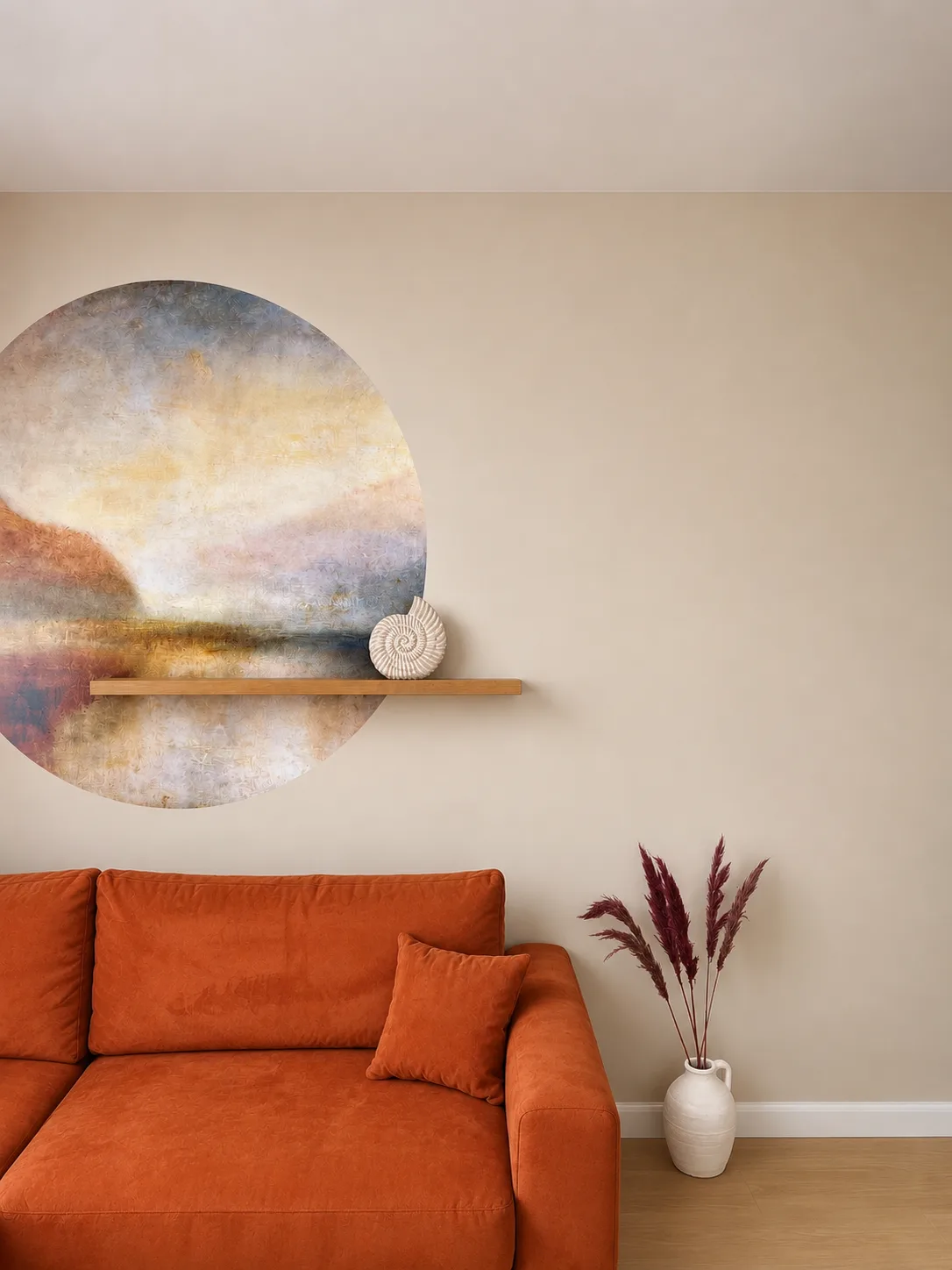
Mint Apartments Seaside
- 1 bedroom
- 2 beds
- 4 guests
- 48 m²
Mint Apartments Seaside — a premium apartment in the seaside part of Gdańsk. 5 minutes from Brzeźno beach, 5-15 minutes from Polsat Plus Arena, 15-20 minutes by tram to the Old Town. Full kitchen, balcony, parking. Ideal for family, business or event stays.
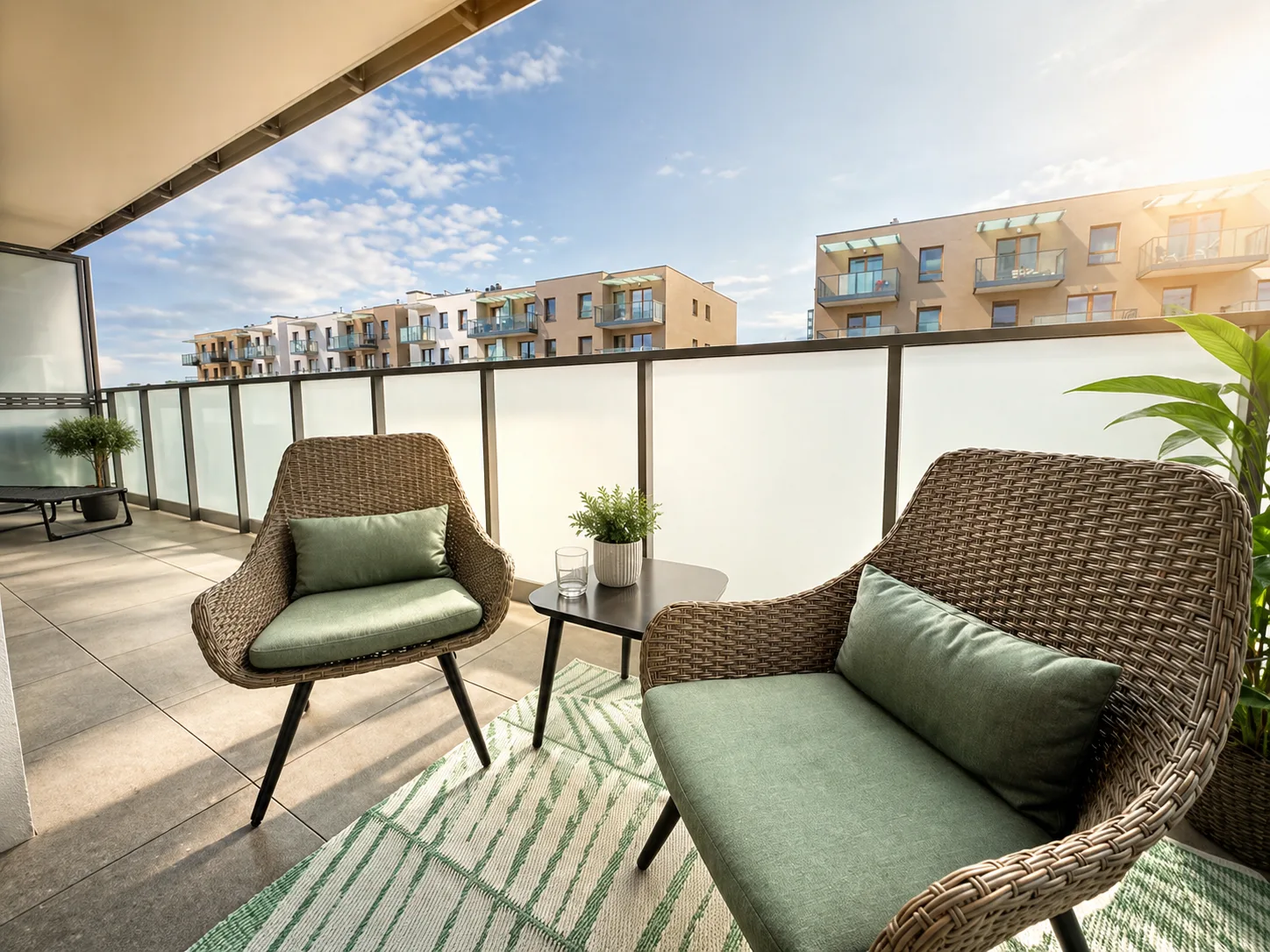
Apartament blisko morza z dwiema sypialniami
- 2 bedrooms
- 3 beds
- 6 guests
- 52 m²
A two-bedroom, two-bathroom apartment in Letnica — 52 m², balcony with views, underground garage, dedicated workspace. For families or two couples: master bedroom with king-size bed, second bedroom with two single beds, fully equipped kitchen and a spacious living room. Brzeźno beach 15 minutes on foot, Polsat Plus Arena 10 minutes, tram to the Old Town 15 minutes. Coffee maker, washing machine, fast Wi-Fi — everything you need for a longer stay by the sea.
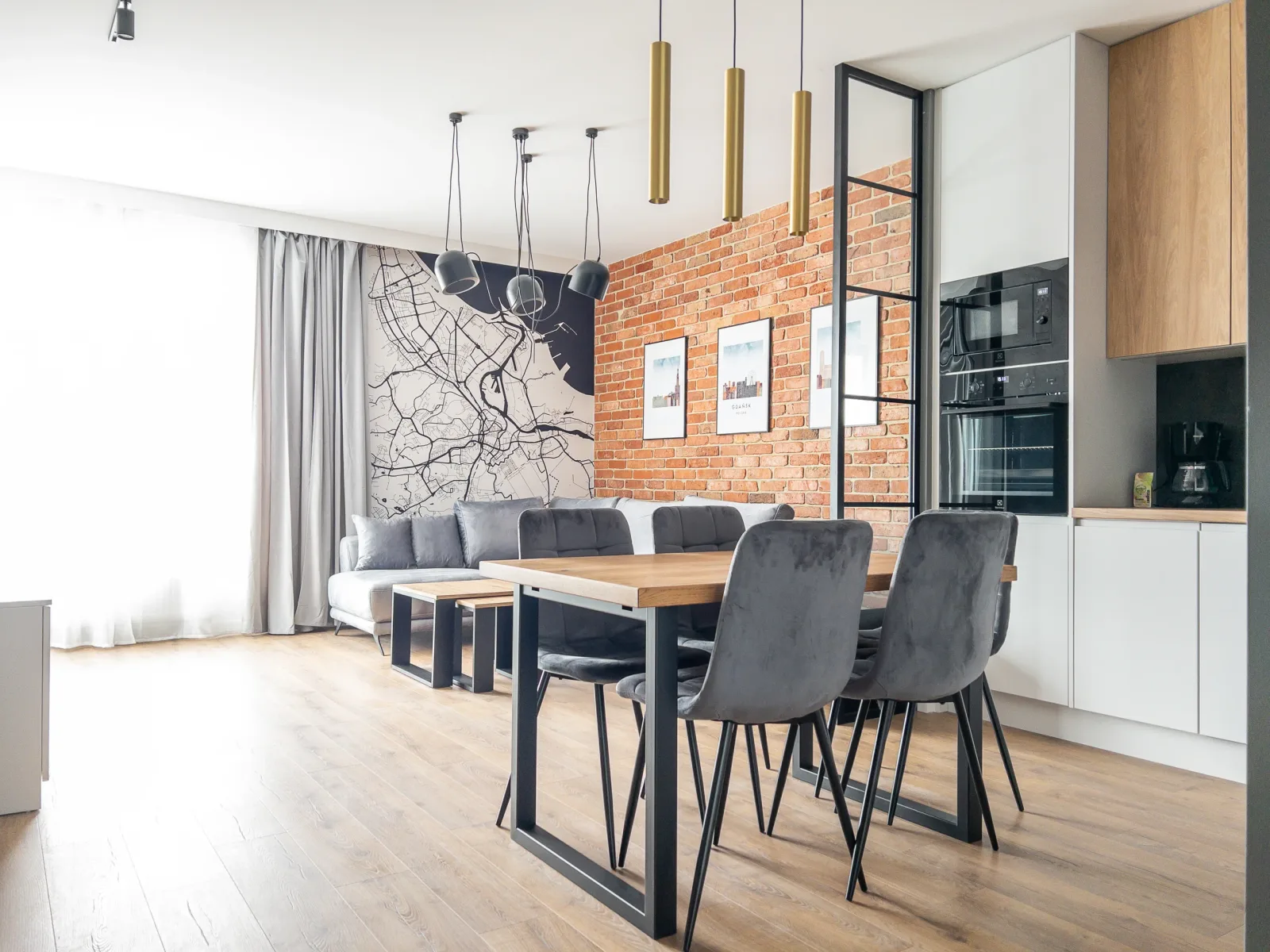
Apartament na dokach z dwiema sypialniami
- 2 bedrooms
- 3 beds
- 6 guests
- 68 m²
A loft-style two-bedroom apartment at DOKI — 68 m², two bathrooms, dedicated workspace, underground garage. Master bedroom with king-size bed, second bedroom with two beds (convertible to double on request). For 2–6 guests. ECS 10 minutes on foot, Montownia within walking distance, tram to the Old Town 15 minutes. Workspace by the window, Shipyard outside — remote work has the right address here.
Liked these topics?
Monthly guide to Gdańsk — events, new places, our apartments and their availability. No spam, just one email.
Related posts
Gdansk Główny Station After Renovation — How to Get to the Center
Gdansk Główny station after renovation: how to exit platforms, walk to Main Town with luggage, transfer tips, and where to stay nearby in Gdansk, Poland.
Jelitkowo Beach in Gdansk – How to Get There, Parking & Walk to Sopot
Practical guide to Jelitkowo Beach in Gdansk, Poland: how to reach it by tram, parking tips in season, walk to Sopot, and who should visit.
Late Check-in in Gdansk — What to Do After 10 PM Without Reception
Arriving in Gdansk after 10 PM? Find out what transport runs from the airport and train station, how check-in works without reception, and where to eat late at night.